K-drama
Korean you hear in K-dramas, explained
9 Korean Phrases for Comforting Someone in K-Dramas
울지 마, 내가 있잖아, 고생했어 — the lines K-dramas use to comfort someone, what they really mean, and which ones are safe to say to a boss.
왜 그래 vs 왜 이래 vs 왜 저래: "What's Wrong?" in Korean
Subtitles turn all three into "What's wrong with you?" But 왜 그래 is concern, 왜 이래 is push-back, and 왜 저래 is something you never say to someone's face.

9 Korean Breakup Phrases from K-Dramas: 헤어지자 and More
헤어지자, 그만하자, 그동안 고마웠어 — the lines K-drama couples say when it's ending, and the finality subtitles leave out.

그러게, 그러니까, 내 말이: "I Know, Right" in Korean
K-drama characters agree with each other constantly, and subtitles flatten it all to "right." Here's the difference between 그러게, 그러니까, 맞아 and 내 말이.

9 Korean Phrases for Dropping Formality in Korean (반말)
The K-drama moment when two characters stop using 존댓말 — and the real phrases Koreans use to get there, from 나이가 어떻게 되세요? to 말 놓으세요.
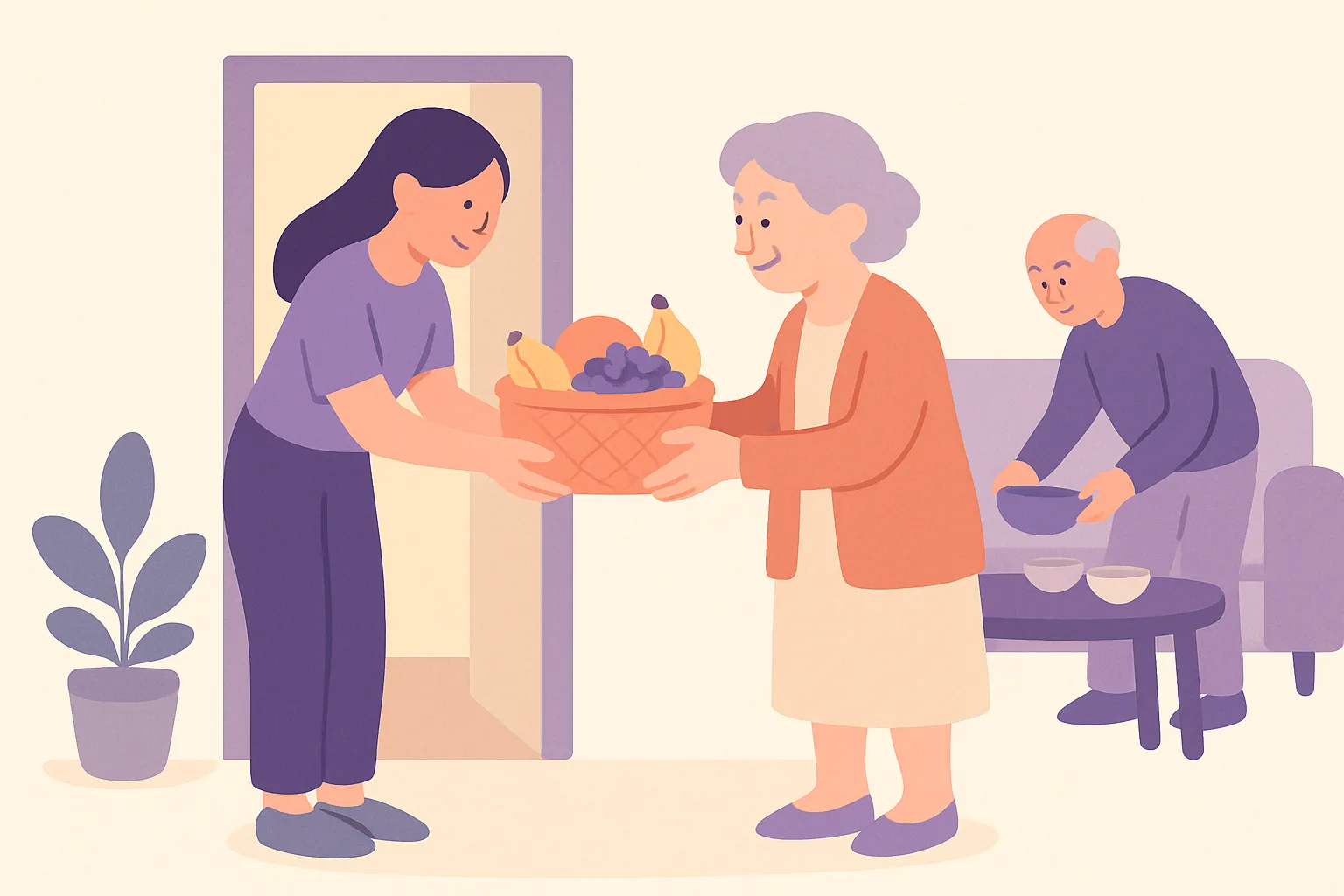
Korean In-Law Family Terms: 어머님, 아버님, 형수님
어머님 isn't just a polite 어머니 — it's the word for someone else's mother. Here's who says 어머님, 아버님, 형수님 and 장모님 in K-dramas, and why subtitles flatten them all to "Mother."

9 Korean Phrases for Love and Dating Beyond 사랑해
Missing someone, asking someone out, pet names, and the goodnight text — the dating Korean you hear in every K-drama, with the nuance subtitles flatten.

What Oppa, Hyung, Unnie, Noona Mean — 오빠, 형, 언니, 누나
오빠, 언니, 형, 누나 all mean "older sibling," but which one you use depends on your own gender — and in K-dramas, the switch between them says more than the subtitle does.

8 Korean Phrases in Every K-Drama and What Subtitles Miss
Subtitles translate what a line does in the scene, not what the words mean. Here are eight short Korean lines you hear in every drama, and what they actually carry.

Korean Office Titles in K-Dramas: 부장님, 팀장님, 본부장님
In a Korean office, the job title is the name — and it's also the word for "you." Here's how 부장님, 팀장님 and 본부장님 actually work.

9 Korean Words from Rich-Family K-Dramas: 회장님, 사모님, 재벌
회장님, 사모님, 도련님, 재벌 3세 — the words that run every rich-family K-drama, and the rank and nuance English subtitles quietly drop.
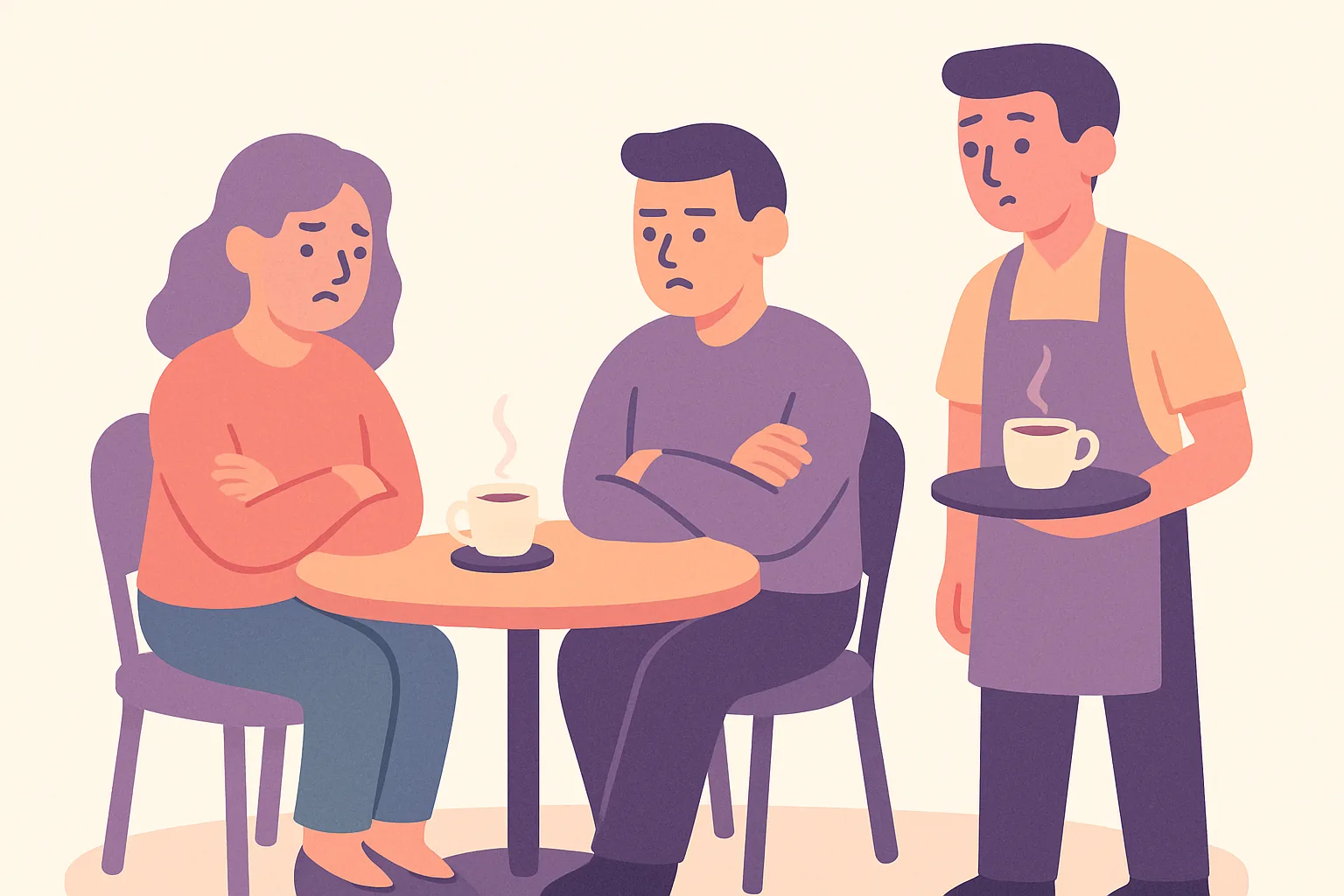
Korean Argument Phrases in K-Dramas: Rude Without Swearing
In a Korean argument, the insult usually isn't a bad word — it's a grammar change. Here's how K-drama characters get brutal with ordinary vocabulary.

What 씨 Means in Korean: Names and Address in K-Dramas
In Korean, what you call someone is the relationship. Here's why K-drama characters say 민준 씨, shout full names, and switch to 민준아 — and what the subtitles leave out.
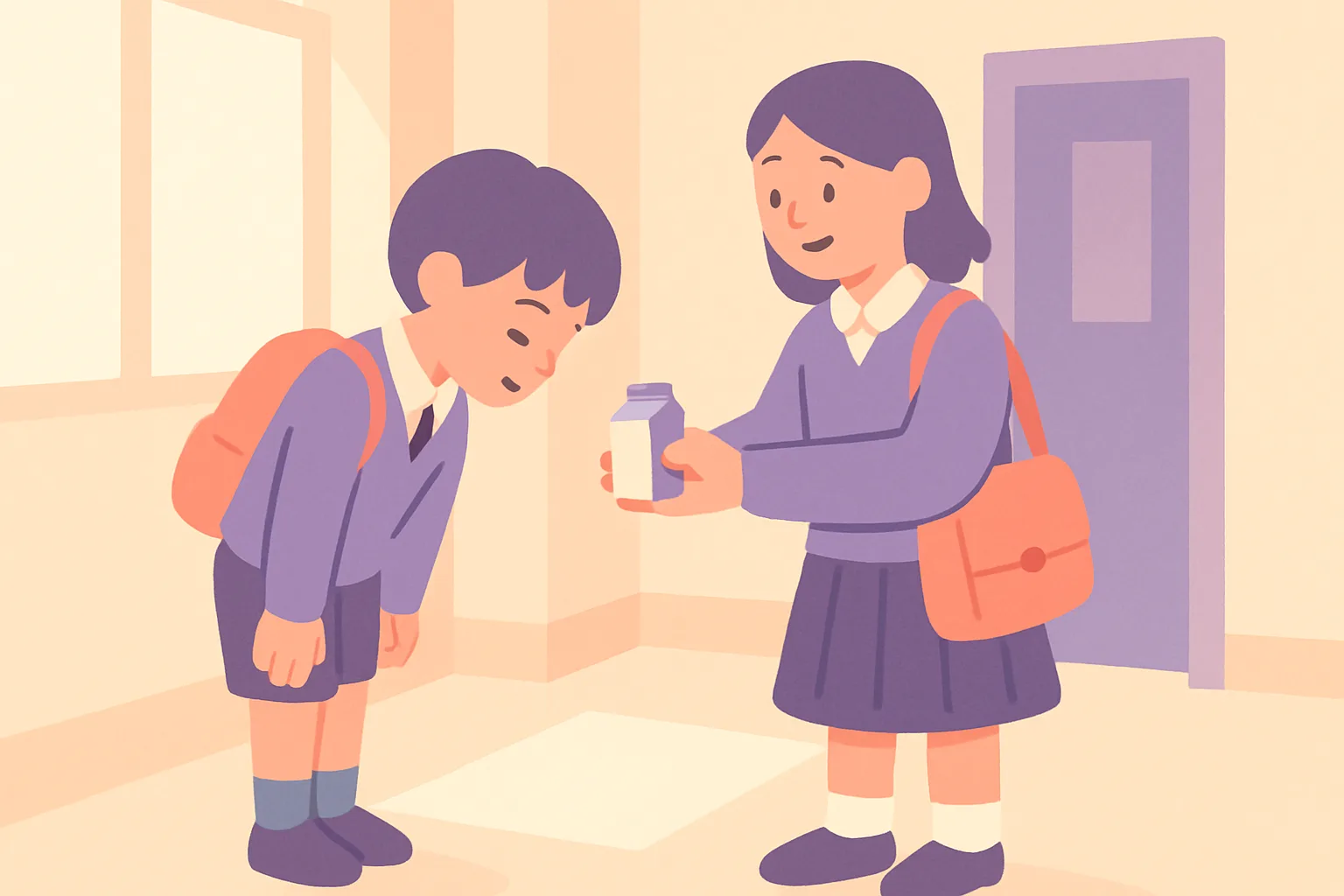
9 Korean School Words from K-Dramas: 선배, 반장, 동창
School dramas run on words subtitles flatten into names. Here's what 선배, 반장, 동창, 짝 and 전학생 actually mean — and how each one lands on a Korean ear.
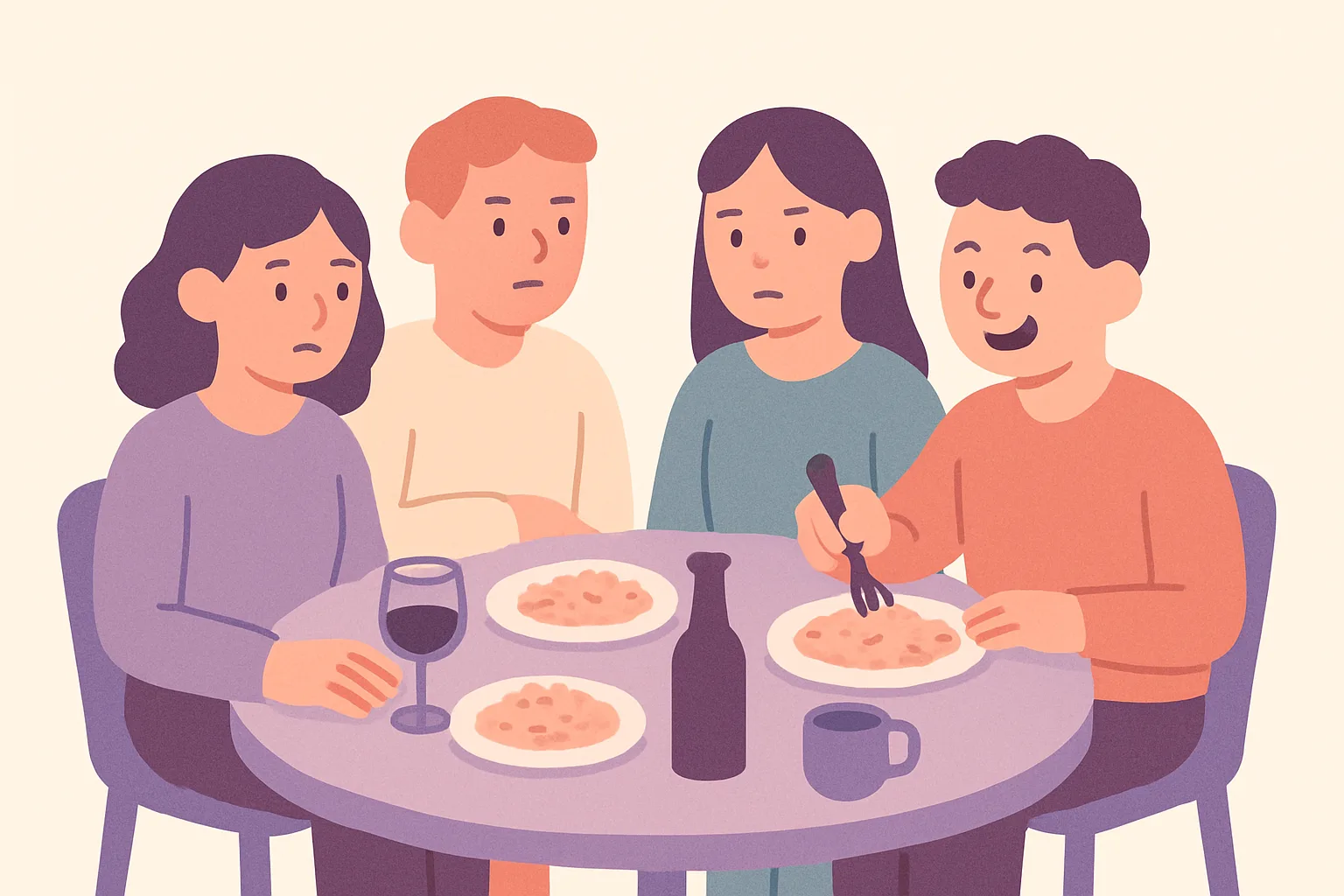
8 Korean 눈치 Phrases for Reading the Room in K-Dramas
눈치 is the K-drama word subtitles keep flattening into "tact." Here are 8 ways Koreans actually use it — and why the verb attached to it changes everything.

좋아해 vs 사랑해: Saying "I Like You" in Korean
In K-dramas the big confession scene almost never uses 사랑해. Here's why 좋아해 is the real "I have feelings for you" — and when 사랑해 finally shows up.

전하, 마마, 아니 되옵니다: The Korean of 사극 K-Dramas
Historical K-dramas run on a different grammar. Here's what 전하, 마마, 저하 and endings like -옵니다 and -소서 actually tell you — and how each one maps onto modern Korean.

9 Korean Words for Noona Romance K-Dramas: 누나, 연하, 썸
In older-woman/younger-man K-dramas, the plot moves through what the couple calls each other and how formally they speak. Here are the nine words that carry it.
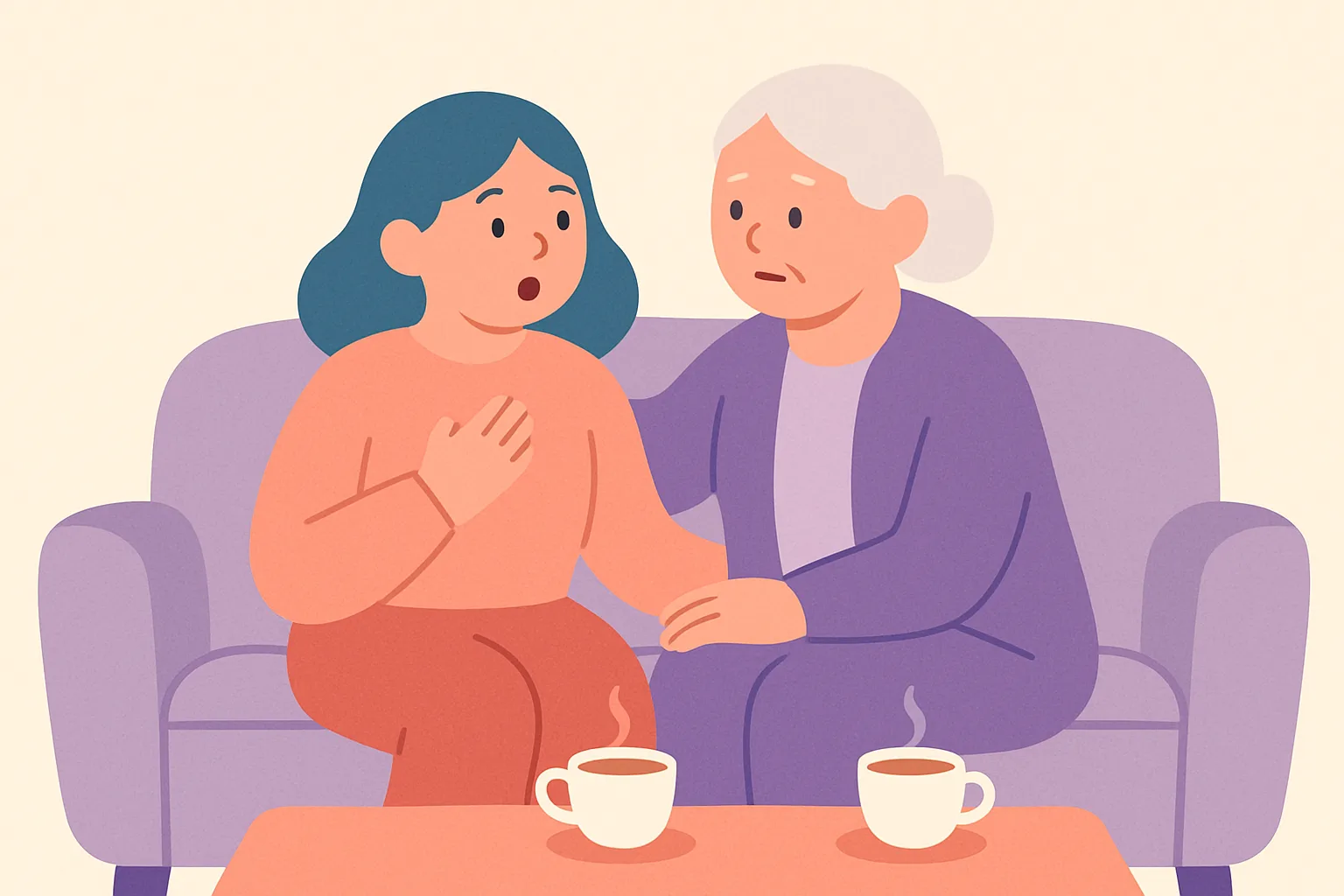
아이고, 어머, 헐, 대박: Korean Exclamations in K-Dramas
Subtitles turn all four into "Oh my god." In Korean they tell the listener your age, your mood, and how close you are to the person you're talking to.
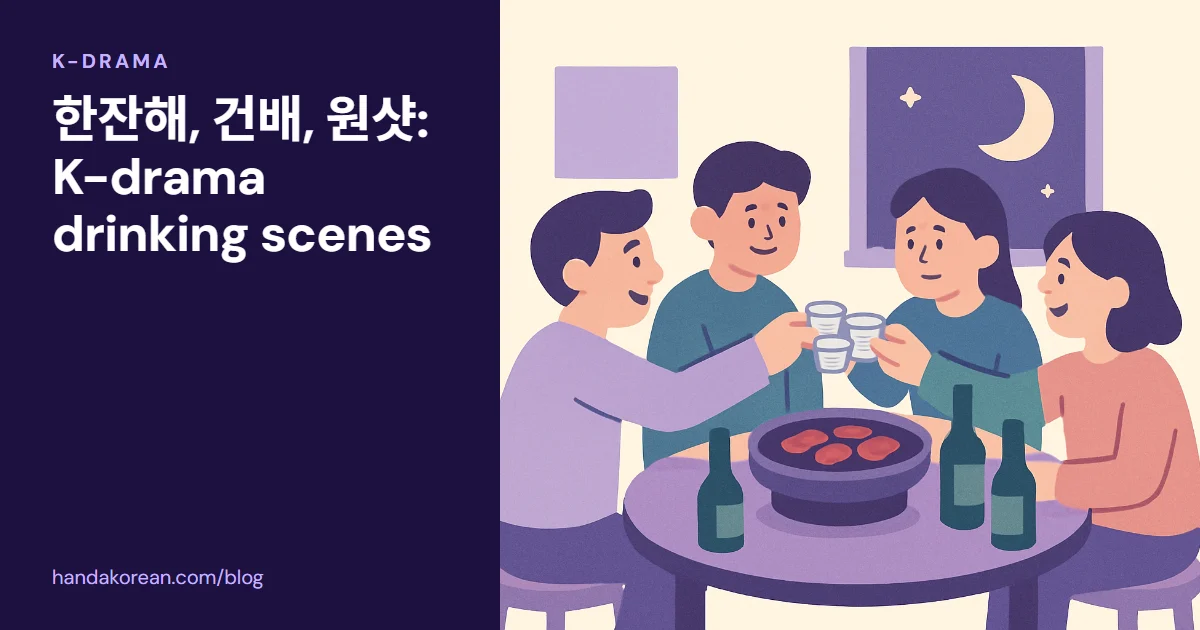
한잔해, 건배, 원샷: the Korean of K-drama drinking scenes
Why "한잔하자" almost never means one glass, what 건배, 짠 and 위하여 each signal, and how to pour, receive and politely stop.