Conversation
Common Korean conversations you will actually have
8 Korean Greetings That Aren't Real Questions: 식사하셨어요?
식사하셨어요? means "Have you eaten?" but it's really just "hello." Here are 8 Korean greetings shaped like questions, and exactly what to say back.
Ordering at a Korean Café: What to Say and What They Ask
One sentence orders any drink in a Korean café — and the staff only ever asks you two questions. Here's the whole exchange, plus what to say when it goes off script.
8 Korean Phrases for Getting a Haircut at a Korean Salon
Walk into a Korean 미용실 and get the haircut you actually wanted. Eight phrases, what the stylist asks you, and what to say when it's coming out too short.
How to Ask Someone's Age in Korean: 몇 살이에요?
Age decides how two Koreans speak to each other. Here's the polite way to ask, the softer sidestep natives prefer, and what to say once you know the answer.
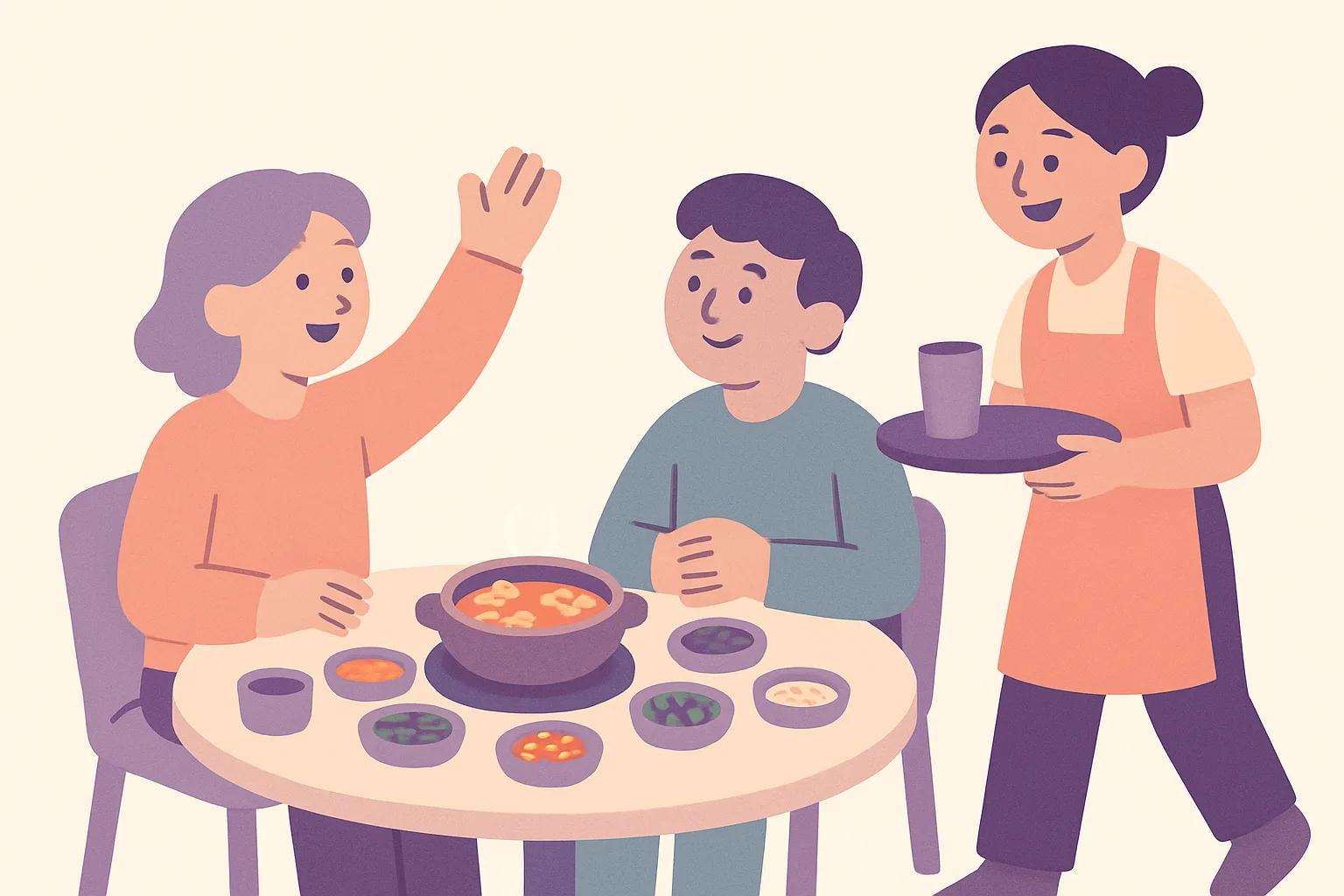
10 Korean Phrases for Ordering Food at a Restaurant
From calling the server with 저기요 to asking for more side dishes and paying at the counter — the ten lines that get you through a Korean restaurant.
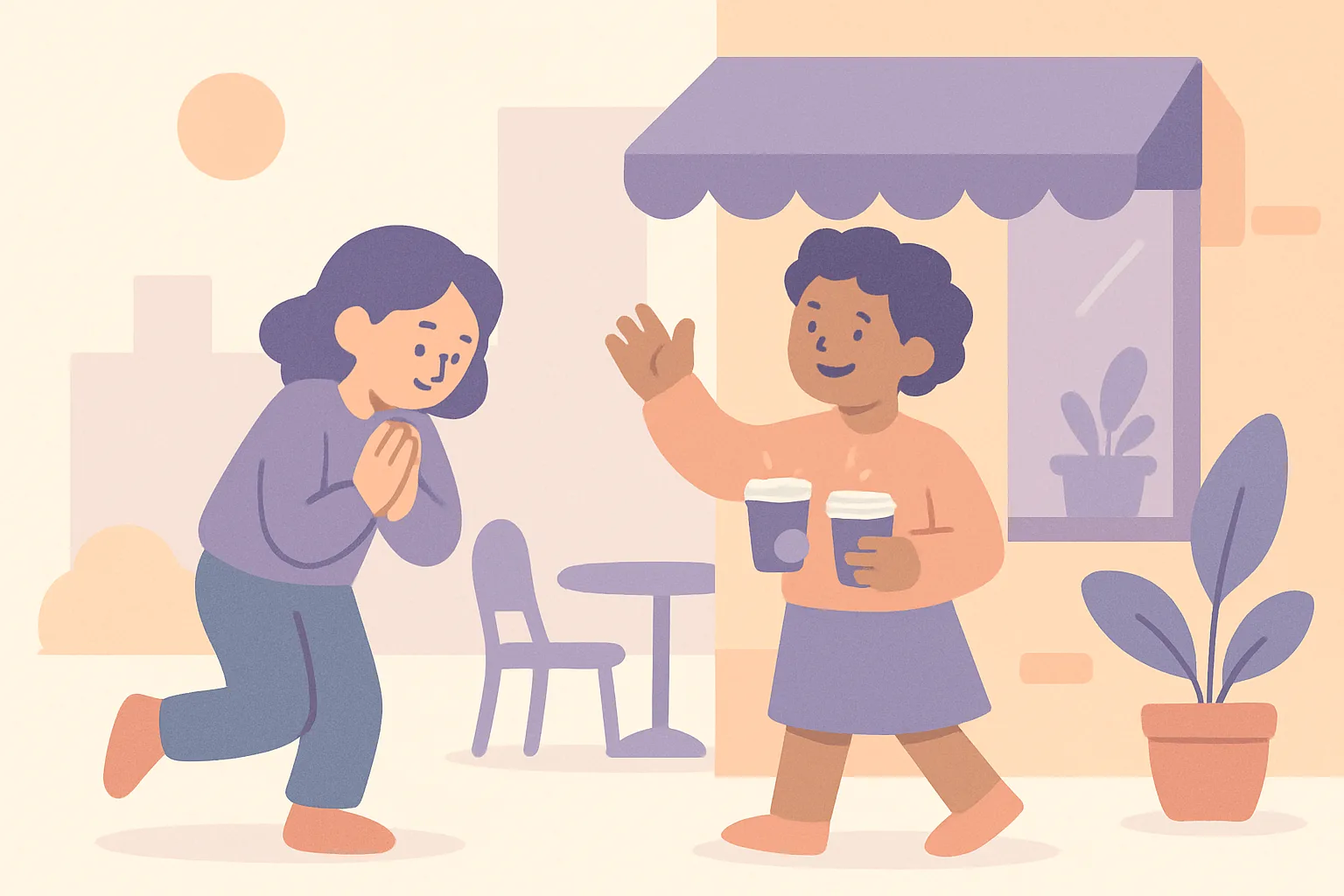
How to Say Sorry in Korean: 죄송합니다 vs 미안해
죄송합니다 or 미안해? Which Korean apology to use with your boss, a stranger, or a friend — plus the sentences that make an apology actually land.
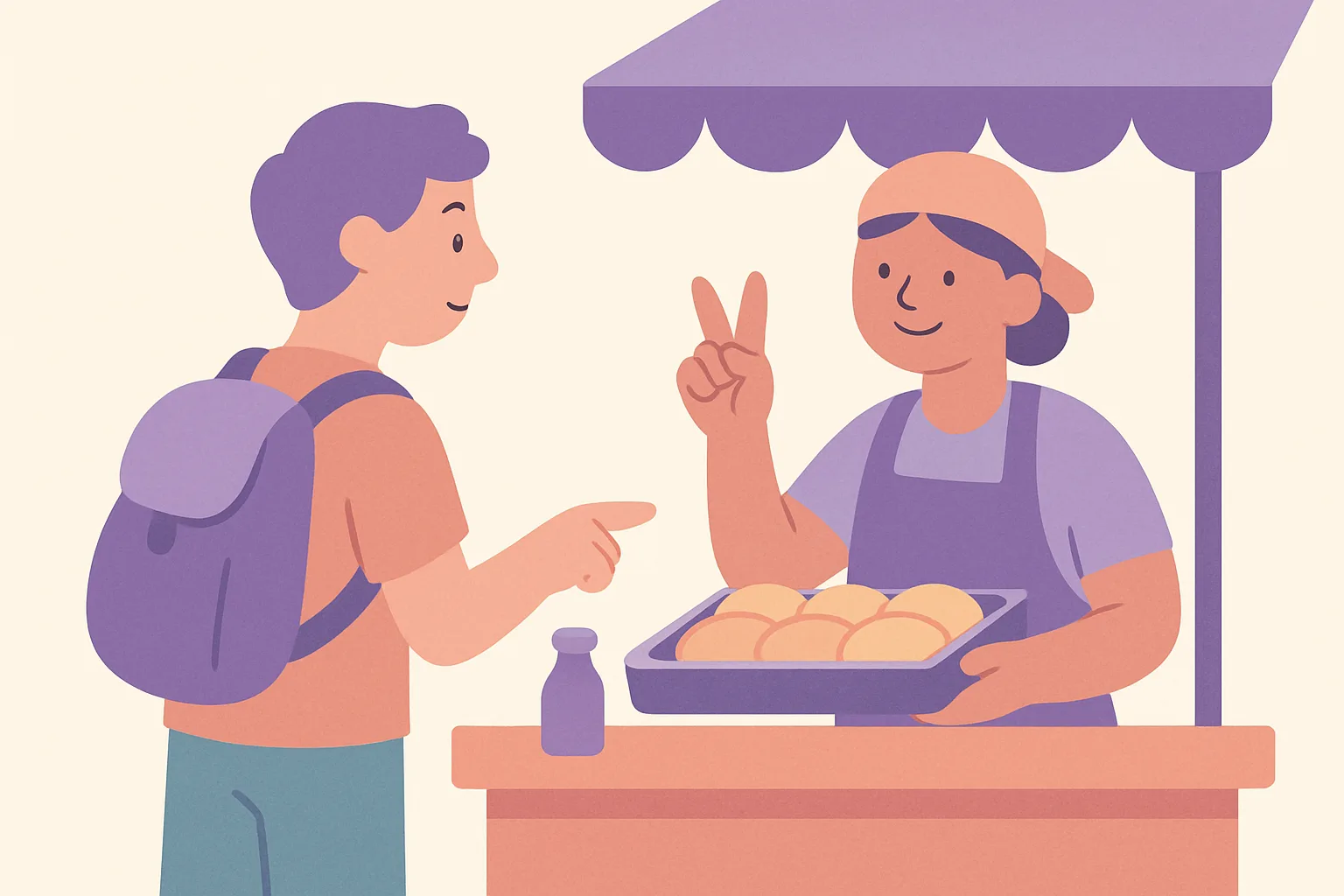
10 Korean Travel Phrases: Getting Around, Shopping, Asking Help
The ten Korean phrases that actually carry you through a trip — buses, markets, bathrooms, card payments and the moment you get lost — with what the other person says back.

How to Say Thank You in Korean: 감사합니다 vs 고마워
감사합니다, 고맙습니다, 고마워요, 고마워 — all mean "thank you." Here's which one to use with whom, and what Koreans actually say back.
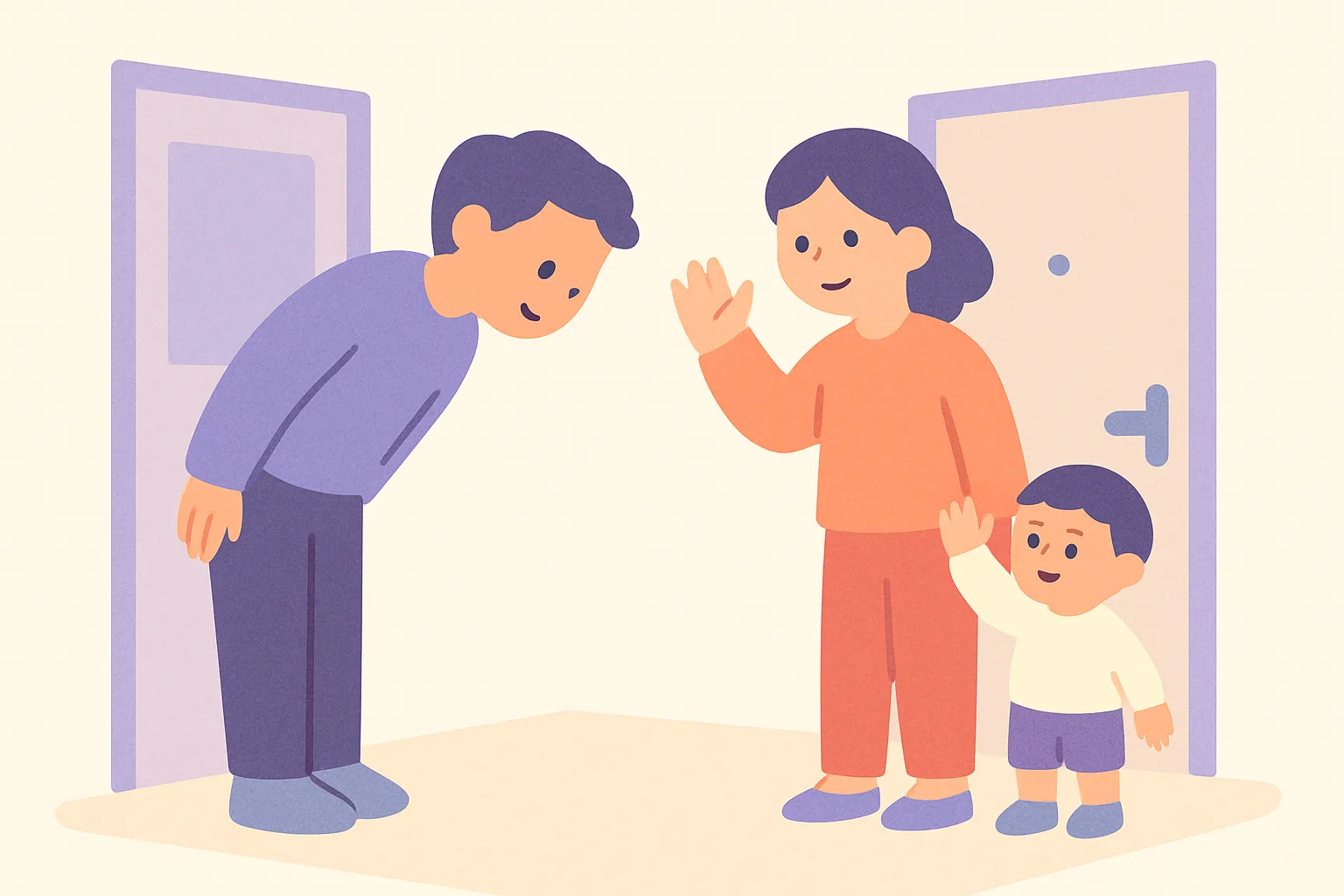
How to Say Hello in Korean: 안녕하세요, 안녕, 안녕하십니까
안녕하세요 covers almost every hello you'll ever need. Here's when a Korean drops to 안녕, when they step up to 안녕하십니까, and what to say right after.
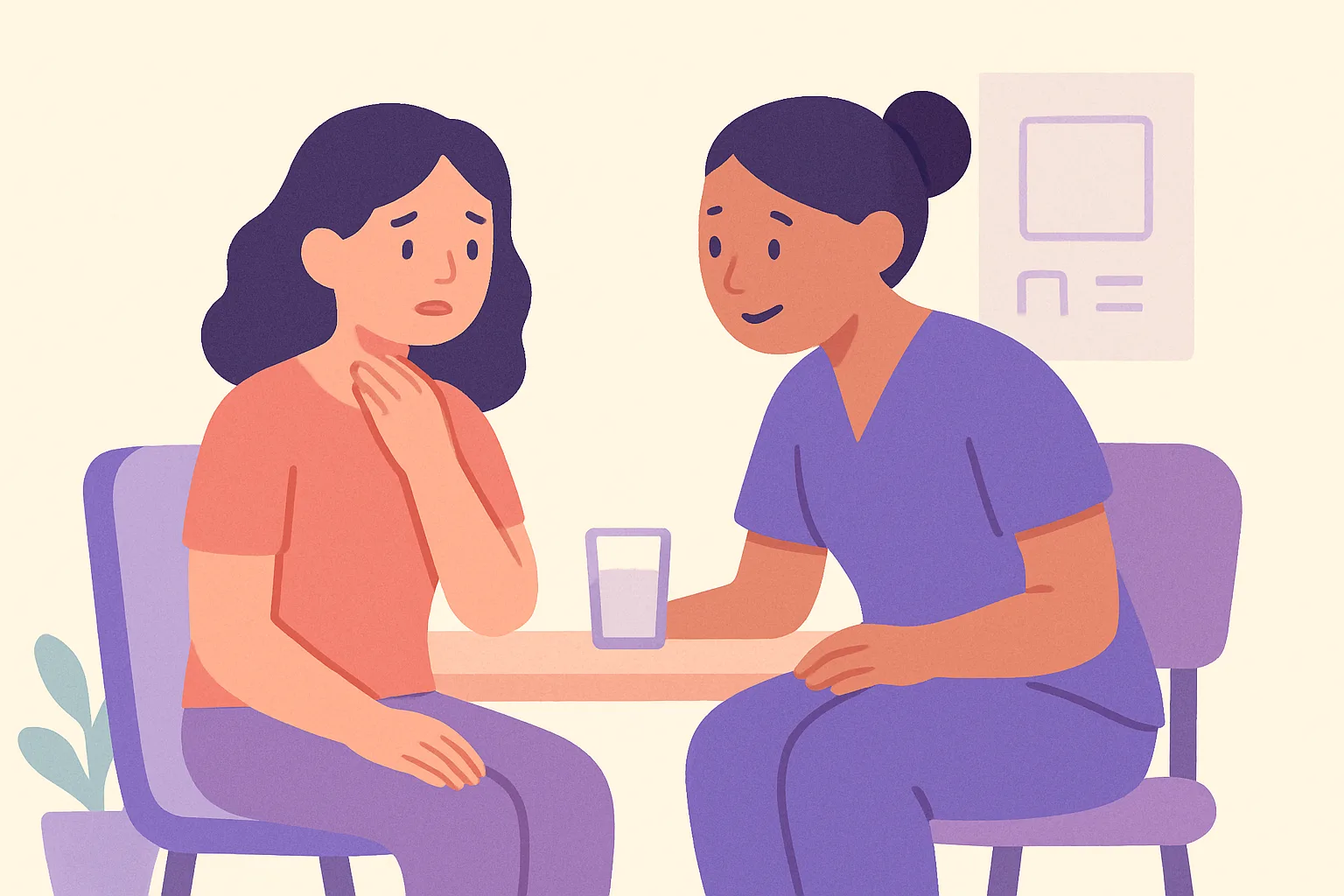
10 Korean Phrases for Going to the Doctor in Korea
From checking in at the desk to describing a fever, here are the Korean phrases that actually come up at a clinic — plus what to say when you lose the thread.
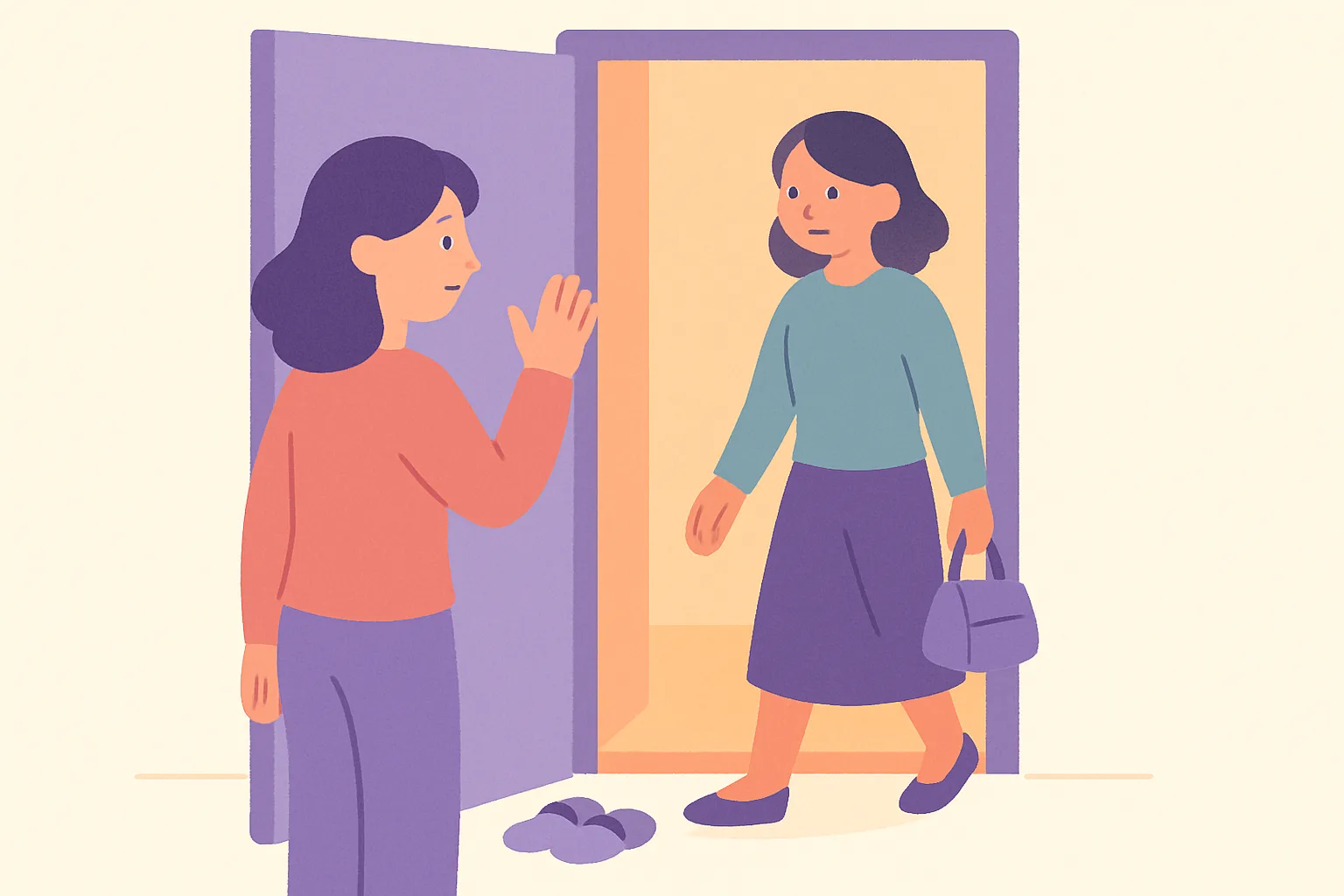
Korean Goodbyes: 안녕히 가세요 vs 안녕히 계세요
One rule decides which Korean goodbye you use: are you the one leaving, or the one staying? Plus 들어가세요, 잘 가, and what to say when you leave the office before your boss.

10 Korean Texting Abbreviations: ㅋㅋ, ㅇㅇ and More
ㅋㅋ, ㅎㅎ, ㅇㅇ, ㄴㄴ, ㅇㅋ — what Korean texting shorthand actually means, who you can send it to, and what to type to your boss instead.
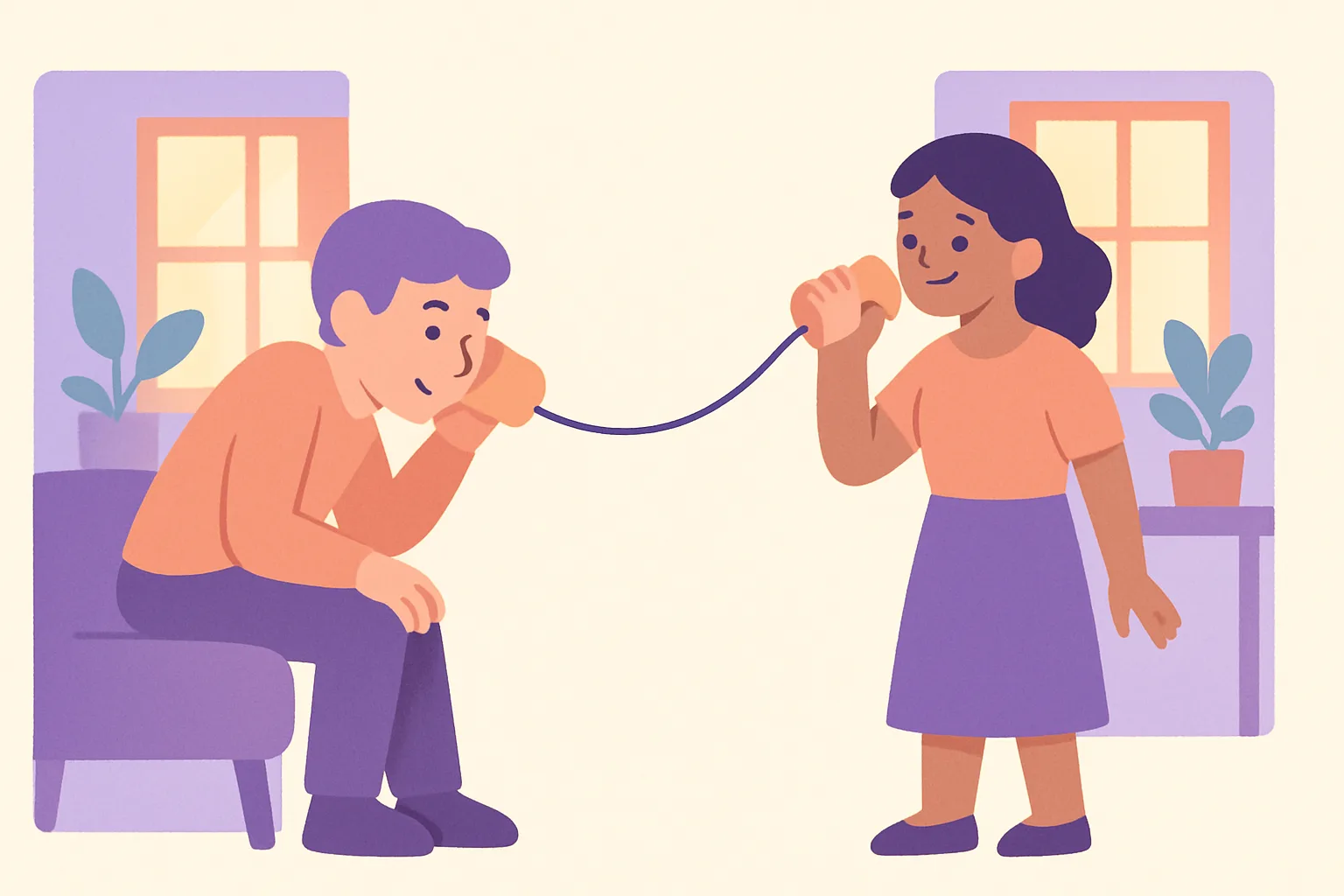
Korean Phone Call Phrases: 여보세요 and What Comes Next
여보세요 isn't "hello" — it's closer to "are you there?" Here's what Koreans actually say after it, from naming yourself to hanging up politely.

10 Korean Phrases for Giving and Receiving Compliments
In Korean, a compliment is half of a two-part exchange. Here are 10 phrases for praising someone naturally — and the modest replies locals actually use when praise comes their way.
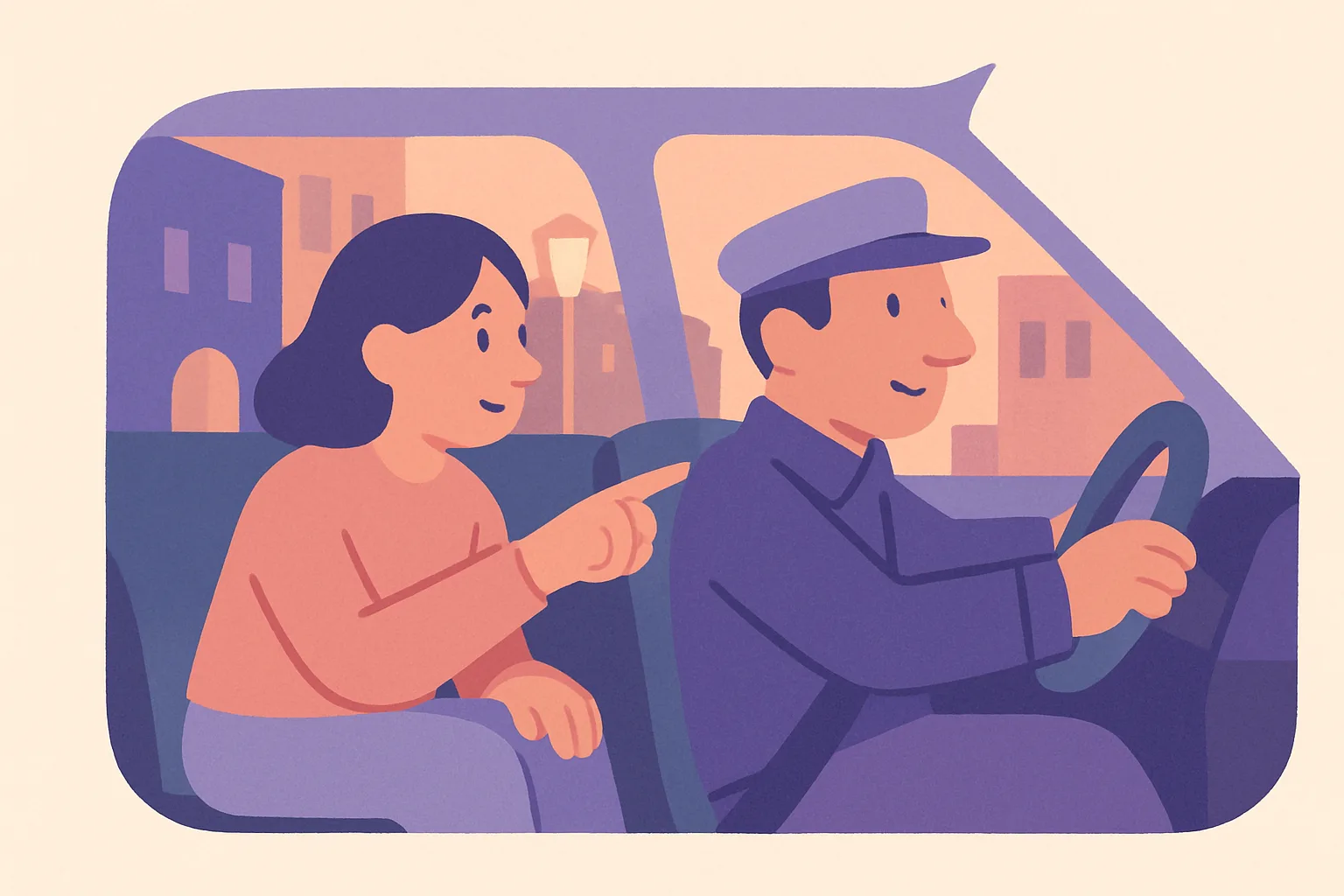
Taking a Taxi in Korean: What to Say to the Driver
One phrase pattern runs the whole taxi ride: -아/어 주세요. Here's a real dialogue from getting in to paying, plus what to say when the route goes off script.

9 Korean Phrases for Meeting Someone for the First Time
처음 뵙겠습니다, 잘 부탁드립니다, 성함이 어떻게 되세요? — the nine lines Koreans actually use when they meet you, and how formal each one sounds.
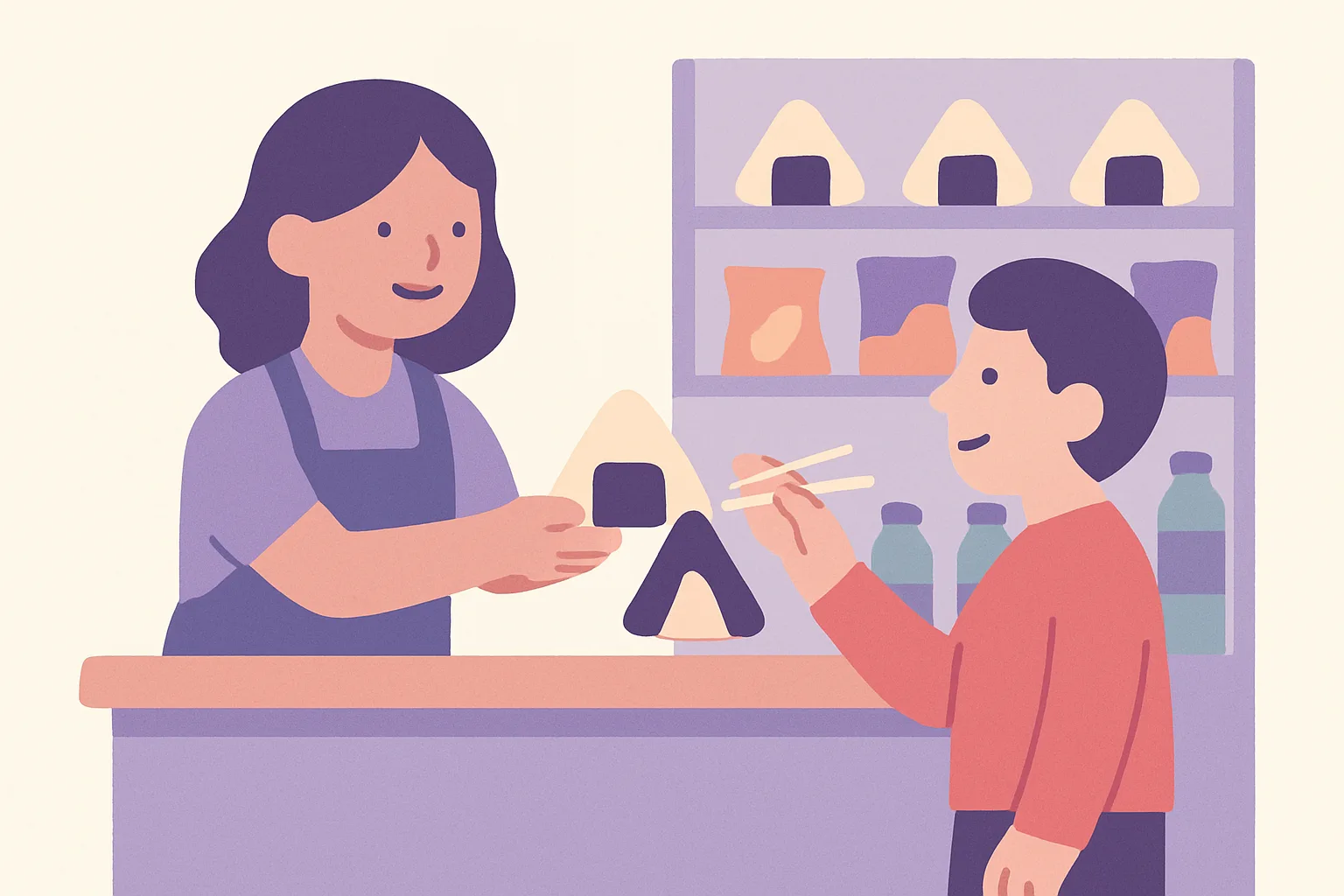
At the Convenience Store in Korean: What the Clerk Asks You
You don't have to start the conversation at a Korean convenience store. The clerk asks four or five predictable questions — learn those, and the answers take care of themselves.
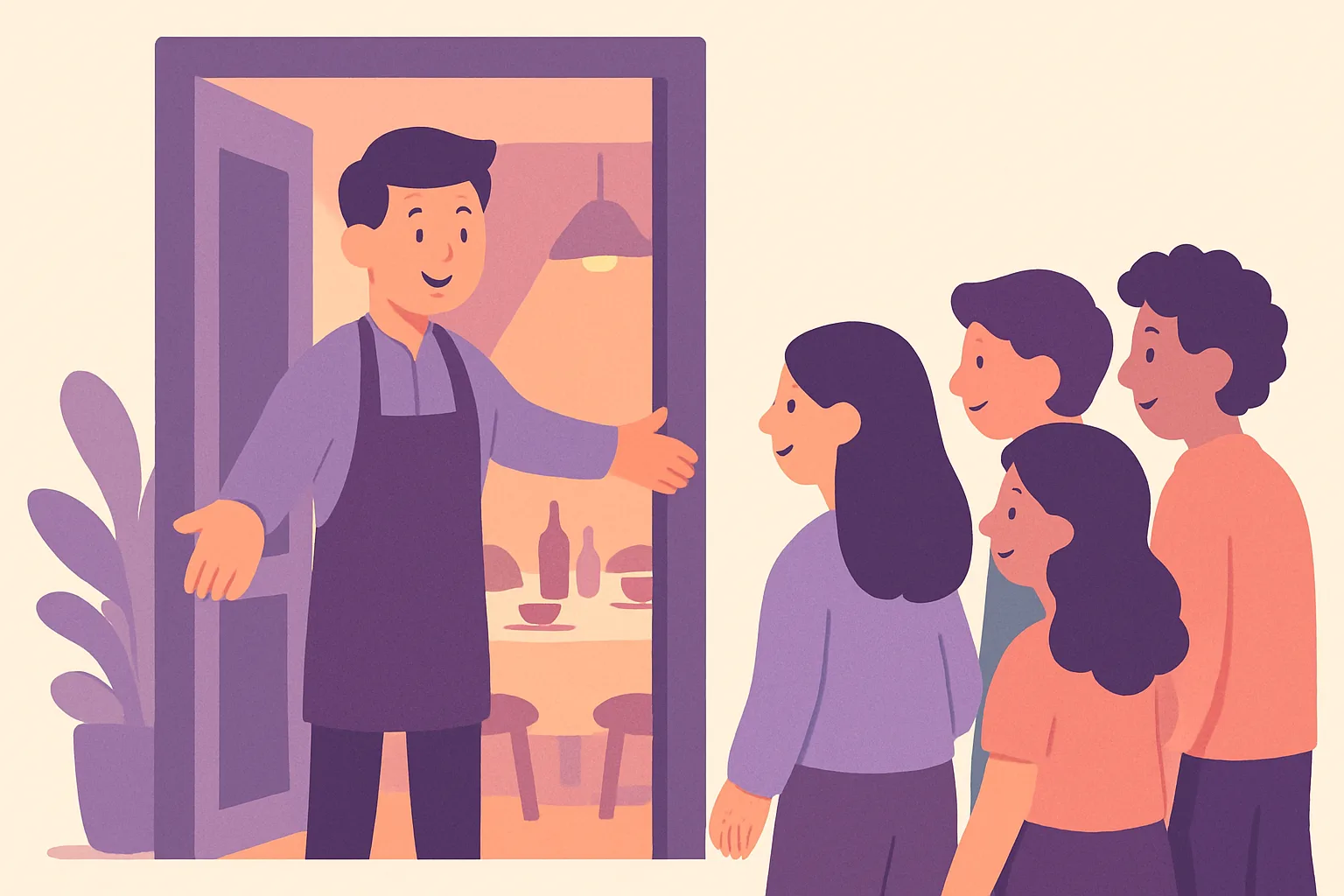
Making a Reservation by Phone in Korean
A Korean reservation call is really just three facts in a fixed order: when, how many, who. Learn that spine and you can book a table, a haircut or a clinic visit.