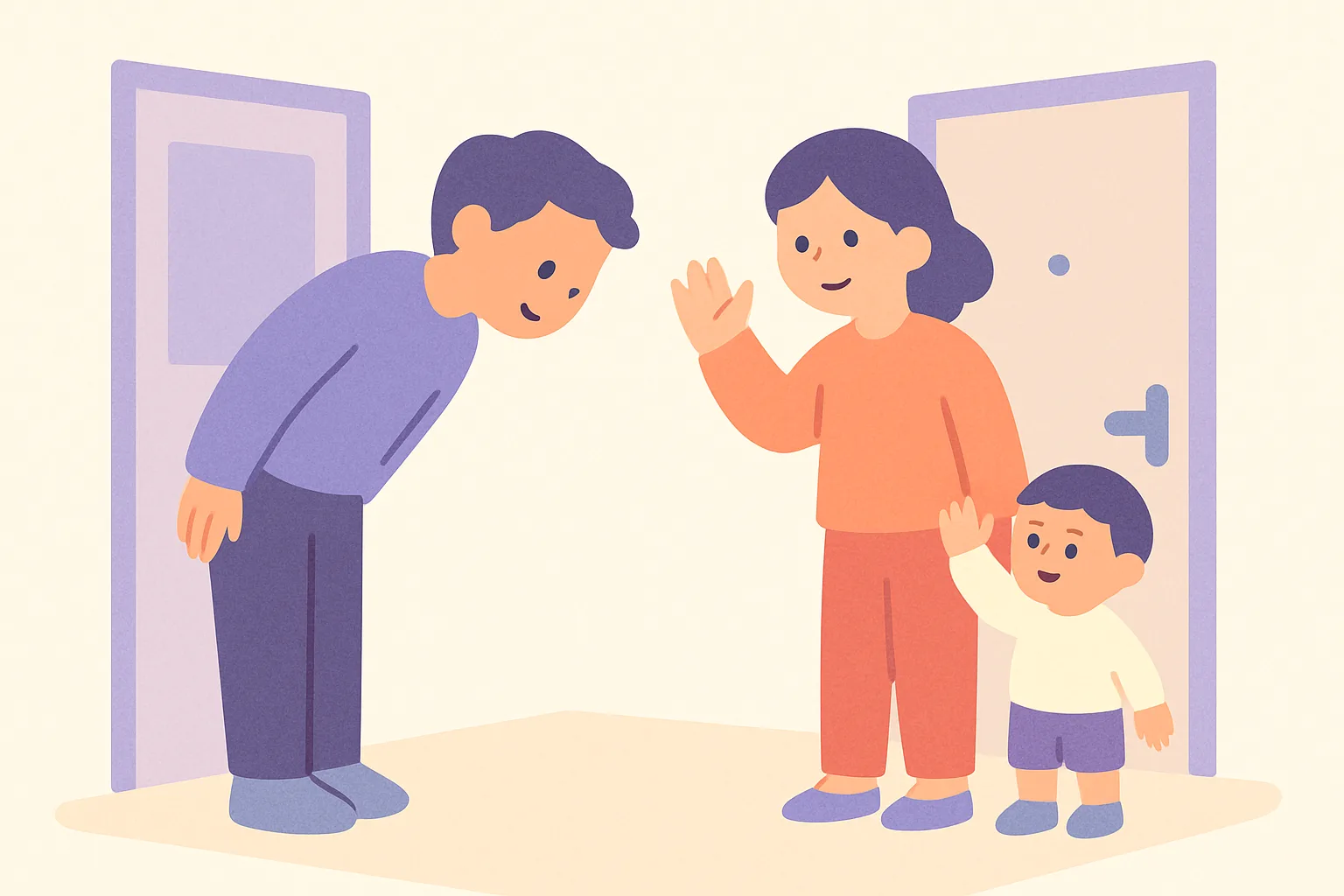
10 Korean Travel Phrases: Getting Around, Shopping, Asking Help
Quick answer: The phrases that carry a whole trip to Korea are 이거 주세요 ("I'll take this"), 얼마예요? (eolmayeyo, "How much is it?"), ○○ 어떻게 가요? ("How do I get to ○○?") and 한국말 잘 못해요 ("I don't speak Korean well"). They're all 해요체 — polite, ordinary speech that is safe with any stranger, shop owner or driver you meet.
Here's the one idea to take with you: travel Korean is short. Visitors often study long textbook sentences and then hear locals speak in three- and four-word chunks. The chunks below are what Korean people actually say, and each one stands on its own — learn only one and you can still use it tomorrow.
1. ○○ 어떻게 가요? — "How do I get to ○○?"
Put any place name in front: 경복궁 어떻게 가요? ("How do I get to Gyeongbokgung?"). Spoken Korean drops the particle here, though 경복궁에 어떻게 가요? is equally correct and sounds a touch more careful. Expect a hand gesture and something like 저쪽으로 쭉 가세요 ("Go straight that way") — if you learn nothing else, learn 쭉, which means "straight on, keep going."
2. 이 버스 ○○ 가요? — "Does this bus go to ○○?"
Say it at the bus door before you step on: 이 버스 시청 가요? ("Does this bus go to City Hall?"). Drivers answer fast — 네, 가요 or 아니요, 저 버스 타세요 ("No, take that bus"). The same frame works on the subway platform: 이거 타면 강남 가요? ("If I take this, does it go to Gangnam?").
3. 여기서 멀어요? — "Is it far from here?"
After someone points you down the street, this is the natural follow-up. Common answers: 아니요, 가까워요 ("No, it's close"), 걸어서 십 분쯤이요 ("About ten minutes on foot"), or 두 정거장이에요 ("It's two stops"). 정거장 means a bus or subway stop, and you'll hear it constantly once you listen for it.
4. 화장실 어디예요? — "Where's the bathroom?"
The full form is 화장실이 어디예요?, but almost everyone trims the particle in speech. Swap in any noun — 편의점 어디예요? ("Where's a convenience store?"), 지하철역 어디예요? ("Where's the subway station?"). In a café or restaurant, add 혹시 at the front: 혹시 화장실 어디예요? softens it to "Sorry, where's the bathroom, by any chance?"
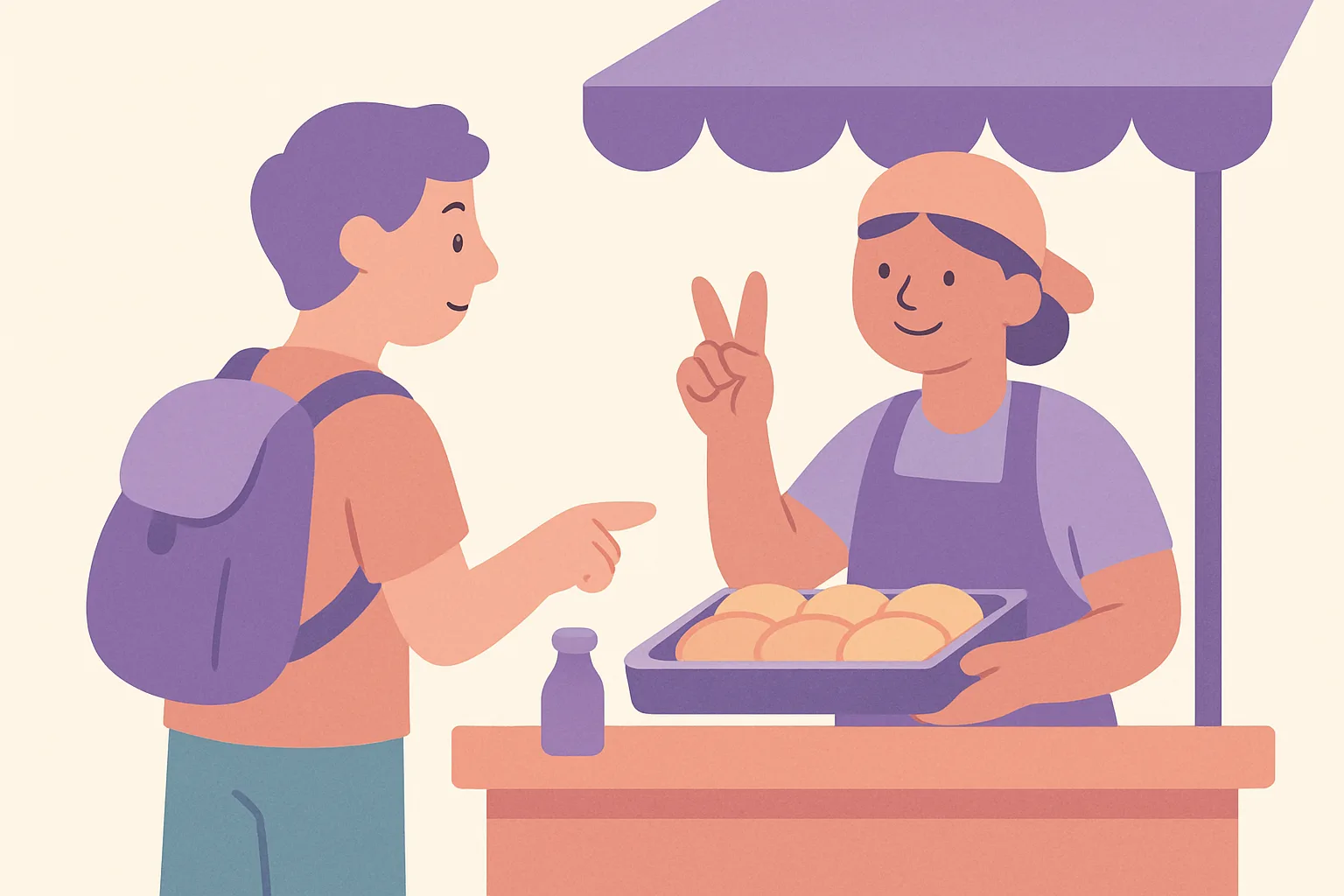
5. 이거 하나 주세요. — "One of these, please."
This is the single most useful shopping and ordering sentence in Korean, because pointing does half the work. Change the number freely: 이거 두 개 주세요 ("Two of these, please"), 저거 주세요 ("That one over there, please"). At a market stall, vendors answer with a nod and a price; nobody expects you to name the food correctly.
6. 얼마예요? — "How much is it?"
One word, no tricks: 이거 얼마예요? ("How much is this?"). When you're buying several things, use 다 해서 얼마예요? — "How much all together?" You'll hear prices like 만 오천 원이에요 ("It's fifteen thousand won"); if the number flies past you, hold out your hand with a card and nobody will mind.
7. 카드 돼요? — "Can I pay by card?"
Short, extremely common, and not rude at all. 카드 되나요? is the slightly gentler version. The reply you're listening for is 네, 돼요 or, at a small stall, 현금만 받아요 ("Cash only"). If you want the opposite, 현금으로 할게요 means "I'll pay cash."
8. 그냥 구경 좀 할게요. — "I'm just looking around."
Walk into a clothing shop and a staff member will often ask 뭐 찾으세요? ("What are you looking for?"). This is the polite escape hatch, and 좀 is what makes it friendly rather than blunt. The usual answer is 네, 천천히 보세요 — "Sure, take your time."
9. 사진 좀 찍어 주시겠어요? — "Could you take a photo, please?"
This is the polite request form, and strangers say yes almost every time. 사진 좀 찍어 주세요 is also fine and a little more direct. If someone asks you the same thing, just say 네, 찍어 드릴게요 ("Sure, I'll take it for you") — and when they thank you, a simple 감사합니다 or 아니에요 closes the exchange perfectly.
10. 좀 도와주세요. — "Please help me."
For the real moments: a missed stop, a locked gate, a wallet left on a bench. Pair it with 길을 잃었어요 ("I'm lost") or 지갑을 잃어버렸어요 ("I lost my wallet"). Said to a station employee or a shop owner, 좀 도와주세요 is not dramatic — it's the normal way to open a request for help.
When it goes off script
The moment that actually trips travelers up isn't asking the question. It's the answer coming back at full speed. Two phrases fix that:
- 한국말 잘 못해요. — "I don't speak Korean well." Say it first, before your question, and people automatically slow down.
- 천천히 말해 주세요. — "Please speak slowly." More polite: 천천히 말씀해 주세요.
- 다시 한번 말해 주세요. — "Please say that once more."
And if your mind empties out completely, that's a normal, fixable thing — there's a whole method for getting unstuck when you freeze mid-sentence.
One last note on getting someone's attention. 저기요 is the all-purpose "excuse me" for a stranger, a server or a clerk. To a shop owner you can use 사장님, to a bus or taxi driver 기사님 — Koreans reach for a job title instead of a name far more often than English speakers do, and using one makes you sound noticeably more at home.
FAQ
How do you say "how much is this?" in Korean?
Say 이거 얼마예요? — literally "this, how much is it?" You can drop 이거 and just say 얼마예요? while pointing, which is what most people do. For a total, use 다 해서 얼마예요? ("How much all together?").
What do I say in Korean if I don't understand?
잘 못 알아들었어요 means "I didn't catch that," and 다시 한번 말해 주세요 means "Please say it once more." Starting with 한국말 잘 못해요 ("I don't speak Korean well") usually makes the other person slow down on their own. All three are polite 해요체 and work with anyone.
Do I need Korean to travel in Korea?
You can get by without it in big cities, but ten short phrases change the trip. Asking 이거 주세요 at a market stall or 카드 돼요? at a counter gets you warmer service and fewer misunderstandings than pointing silently. Pronunciation doesn't have to be perfect — short and polite is enough.
Practice
Say these out loud in Korean, then check.
- You're at a bus stop and want to know if this bus goes to Hongdae (홍대).
- You're holding two items at a market stall and want the total.
- A shop assistant asks 뭐 찾으세요? and you're only browsing.
- You want a stranger to take your photo, politely.
- You missed your stop and need help from a station employee.
Answers
- 이 버스 홍대 가요?
- 다 해서 얼마예요?
- 그냥 구경 좀 할게요.
- 사진 좀 찍어 주시겠어요?
- 저기요, 좀 도와주세요.
Learn this properly, not just once
Blog posts teach one thing at a time. The HanDa books teach level 1 in order — every lesson built to be spoken, with a workbook and writing book beside it.
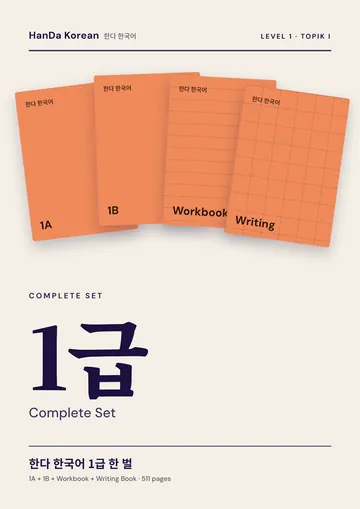 HanDa Korean Level 1 — Complete Set
Everything for level 1 — books, workbook and writing book · 511 pages
$10
HanDa Korean Level 1 — Complete Set
Everything for level 1 — books, workbook and writing book · 511 pages
$10
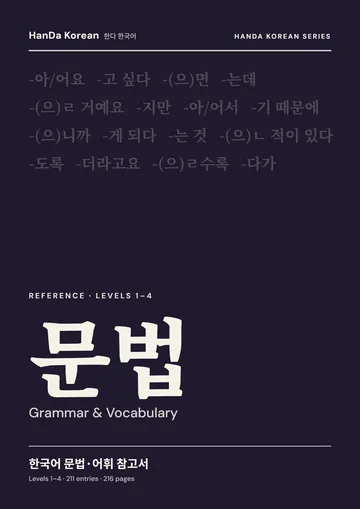 Korean Grammar & Vocabulary Reference
Every pattern in one place · 216 pages
$8
Korean Grammar & Vocabulary Reference
Every pattern in one place · 216 pages
$8
Practice this with an AI tutor
HanDa corrects every sentence you write or say — in real conversation, not flashcards.