10 Korean Phrases for Going to the Doctor in Korea
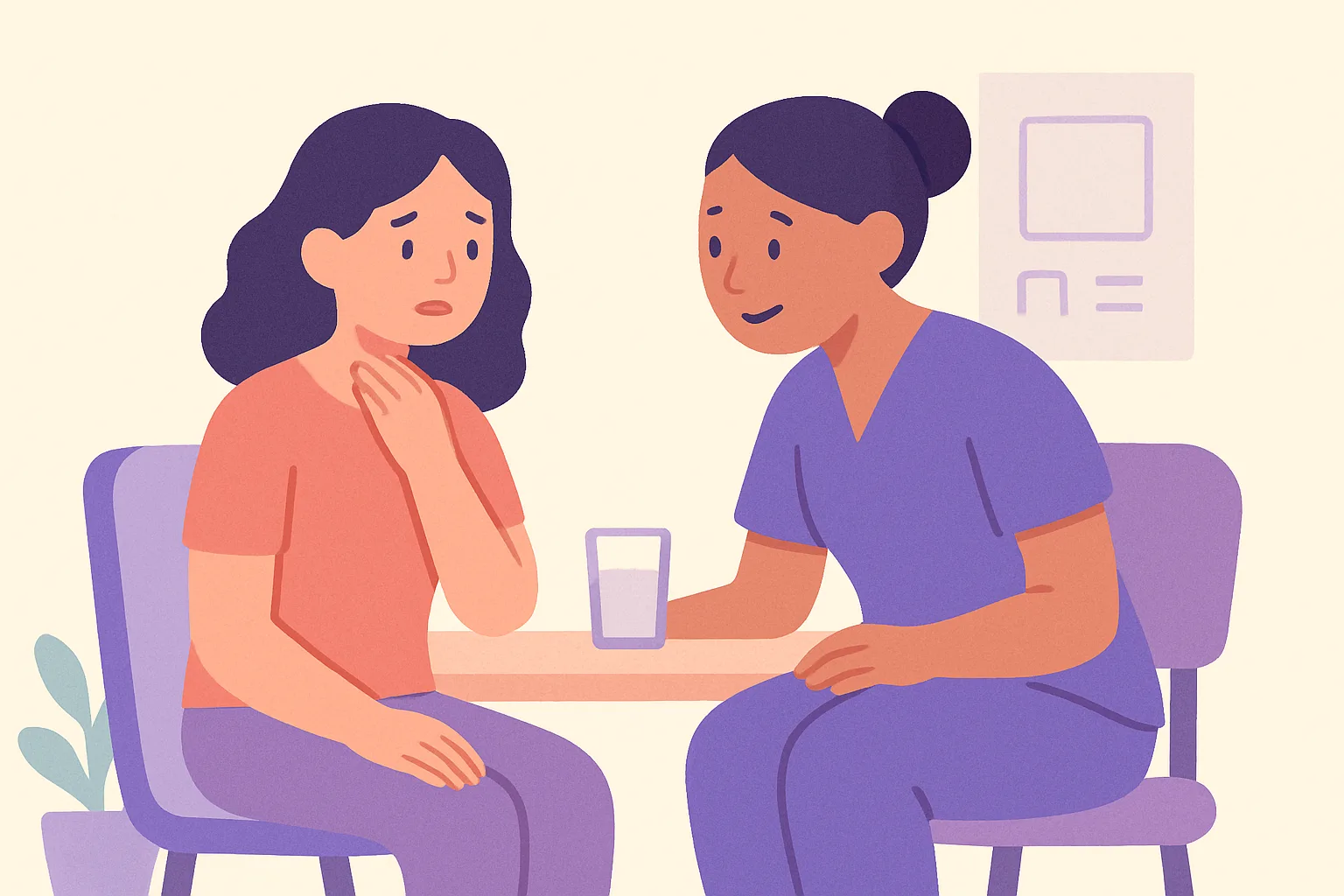
Going to a 병원 in Korea is faster than you'd think — you walk into a small neighborhood clinic, check in at the desk, wait ten minutes, and talk to the doctor for about three. Three minutes is not much time to find your words, so it helps to arrive with a few sentences already loaded.
The one thing to remember: in Korean you name the body part, not yourself. English says "I'm sick" or "I have a sore throat." Korean says 목이 아파요 — the throat hurts. Get that pattern and half the visit is done.
Here's how a typical exchange sounds at the desk and in the exam room:
간호사: 어디가 불편하세요? 나: 목이 아프고 열이 나요. 간호사: 언제부터 그러셨어요? 나: 어제부터요.
Ten phrases, each one usable on its own.
1. 접수하려고요.
접수하려고요. — I'd like to check in.
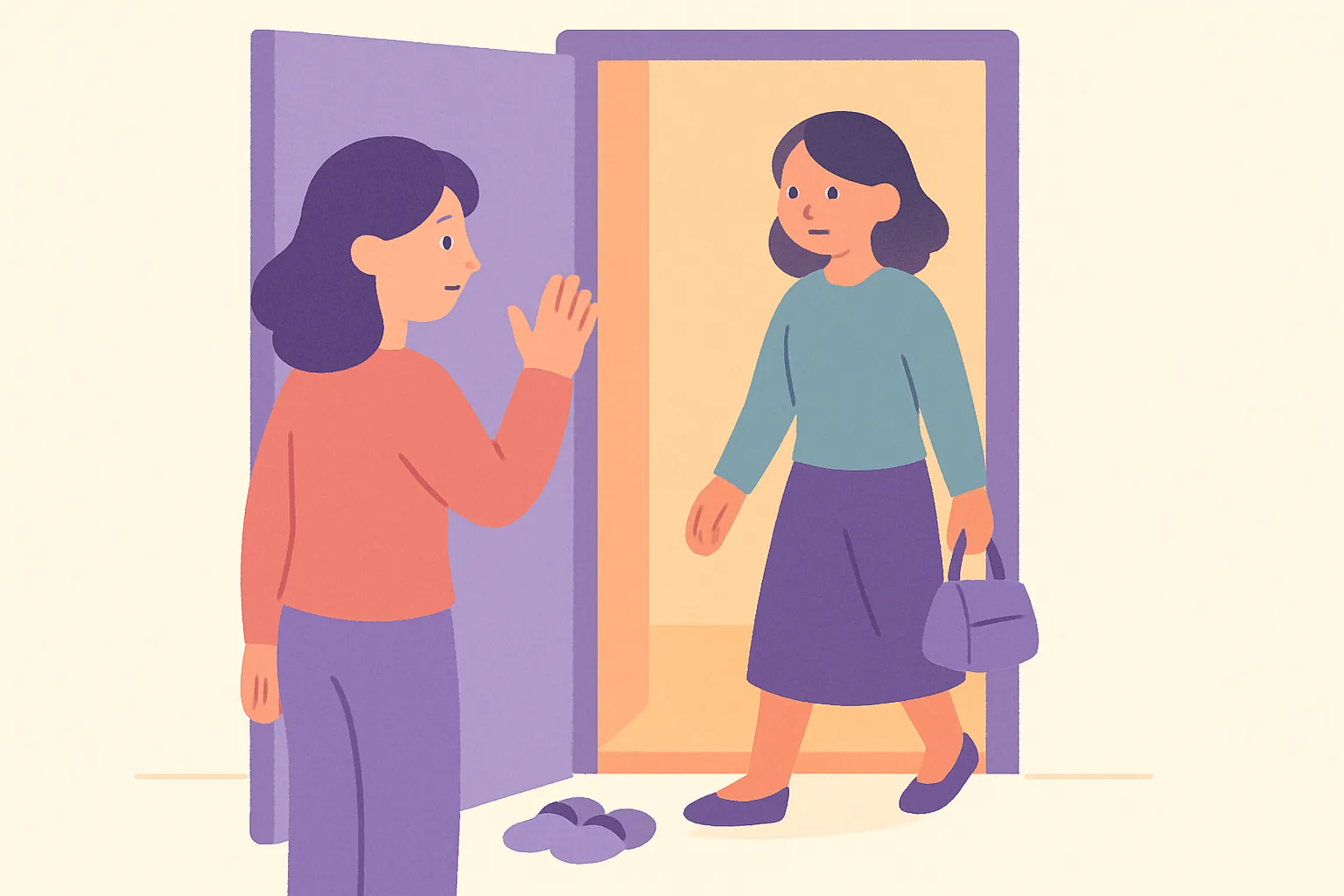
This is the first thing you say at the front desk. 접수 is "registration," and -(으)려고요 softens it into "I'm here to…" rather than a blunt command. The staff will then ask 처음 오셨어요? (Is this your first visit?) and ask for your ID or insurance card — answer 네, 처음이에요 or 아니요, 전에 왔었어요.
2. 어디가 불편하세요?
어디가 불편하세요? — What's bothering you? / Where does it hurt?
You don't say this one, you hear it — from the nurse, the doctor, sometimes the person at the desk. Literally it's "where is uncomfortable," and 불편하다 is the polite, clinical way to ask; 어디가 아프세요? means the same thing and is just as common. At the desk you may also get 어떻게 오셨어요? — not "how did you get here" but what brings you in today. Answering with your symptom is exactly right.
3. 목이 아프고 열이 나요.
목이 아프고 열이 나요. — My throat hurts and I have a fever.
The workhorse answer. Swap the body part freely: 배가 아파요 (stomach), 머리가 아파요 (head), 허리가 아파요 (lower back), 이가 아파요 (tooth). Note that fever doesn't use 아프다 at all — it's 열이 나요, literally "heat comes out." 열이 있어요 is also fine, but 열이 나요 is what people actually say.
4. 어제부터 아팠어요.
어제부터 아팠어요. — It's been hurting since yesterday.
The doctor will almost always ask 언제부터 그러셨어요? (Since when has it been like this?). 부터 means "from/since," and it's the only word you really need: 그저께부터요 (since the day before yesterday), 3일 전부터요 (since three days ago), 일주일 됐어요 (it's been a week). You can answer with just 어제부터요 — a fragment with 요 on the end is perfectly polite here.
5. 기침이 나고 콧물이 나요.
기침이 나고 콧물이 나요. — I have a cough and a runny nose.
Notice 나다 again — coughs and runny noses come out in Korean. Useful neighbors: 가래가 끓어요 (I have phlegm), 코가 막혔어요 (my nose is blocked), 목이 부었어요 (my throat is swollen). Don't try to translate "I have a cold" word for word; 감기에 걸렸어요 (I caught a cold) is the set phrase.
6. 몸살이 난 것 같아요.
몸살이 난 것 같아요. — I think I've got body aches / that achy run-down feeling.
몸살 is the whole-body ache-and-chills feeling you get with a flu, or after pushing yourself too hard for a week. There's no clean English word for it, which is why Koreans reach for it constantly: 몸살 기운이 있어요 means you feel it coming on. The -(으)ㄴ 것 같아요 ending (I think / it seems) is worth keeping for the whole visit — guessing at your own diagnosis sounds modest and natural, while stating it flatly can sound like you're telling the doctor their job. If you want the everyday words for the exhaustion underneath it, see the difference between 피곤하다, 지치다 and 힘들다.
7. 체한 것 같아요.
체한 것 같아요. — I think I have indigestion / my food isn't going down.
체하다 describes food sitting stuck in your chest — heaviness, nausea, sometimes a headache with it. Koreans use it the moment a meal goes wrong, and a pharmacist or doctor will know exactly what you mean. Other stomach lines: 속이 안 좋아요 (my stomach feels off), 속이 메스꺼워요 (I feel nauseous), 설사해요 (I have diarrhea).
8. 약 알레르기가 있어요.
약 알레르기가 있어요. — I have a medication allergy.
Say this before anything gets prescribed, and name the drug if you know it: 페니실린 알레르기가 있어요. Two more that matter — 임신 중이에요 (I'm pregnant) and 지금 먹는 약이 있어요 (I'm currently taking other medication). These are short, plain sentences on purpose; this is not the place to attempt a complicated one.
9. 약은 하루에 몇 번 먹어요?
약은 하루에 몇 번 먹어요? — How many times a day do I take the medicine?
Korean eats medicine — 약을 먹다, never 마시다. The answer usually comes as 하루 세 번, 식후 30분에 드세요 (three times a day, 30 minutes after meals). 식후 is after meals, 식전 before. Shots work the same way with a fixed verb: 주사 맞아야 해요? (Do I need a shot?) uses 맞다, literally "to be struck." You'll be handed a 처방전 (prescription) to take to the 약국 — if you can't spot one, ask 약국은 어디에 있어요?
10. 죄송한데, 다시 한번 말씀해 주시겠어요?
죄송한데, 다시 한번 말씀해 주시겠어요? — Sorry, could you say that once more?
This is the off-script phrase, and it's the most valuable one on the list. Doctors talk quickly and use words you haven't met yet. Add 천천히 말씀해 주세요 (please speak slowly) or 한국어를 잘 못해서요 (it's because my Korean isn't good) and almost anyone will slow down and simplify. Nobody is annoyed by this — asking is far better than nodding at instructions you didn't catch. If the asking itself is what locks up, these strategies for when you freeze mid-sentence help.
One note on what to call the doctor
You address the doctor as 선생님, not 의사님. 의사 is the job; 선생님 is how you speak to the person. 의사 선생님 works when you're talking about them (의사 선생님이 뭐라고 하셨어요?), but to their face it's just 선생님. This is the same instinct behind Korean titles used instead of names — the job title does the work your name would do in English.
Keep everything in 해요체 and you're fine. The staff will speak to you in honorifics (-(으)세요, 드세요); you don't need to mirror that, just stay polite.
Practice
- You have a fever and a cough. Say it in one sentence.
- The nurse asks 언제부터 그러셨어요? It started the day before yesterday.
- Tell the doctor you think your food isn't going down.
- Ask how many times a day you should take the medicine.
- You didn't catch what the doctor said. Ask them to repeat it slowly.
Answers
- 열이 나고 기침이 나요.
- 그저께부터요. (or 그저께부터 아팠어요.)
- 체한 것 같아요.
- 약은 하루에 몇 번 먹어요?
- 죄송한데, 천천히 다시 한번 말씀해 주시겠어요?
Learn this properly, not just once
Blog posts teach one thing at a time. The HanDa books teach level 1 in order — every lesson built to be spoken, with a workbook and writing book beside it.
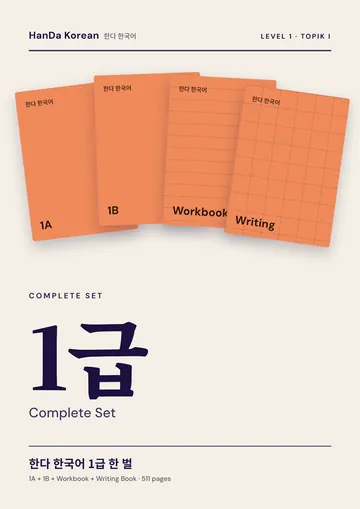 HanDa Korean Level 1 — Complete Set
Everything for level 1 — books, workbook and writing book · 511 pages
$10
HanDa Korean Level 1 — Complete Set
Everything for level 1 — books, workbook and writing book · 511 pages
$10
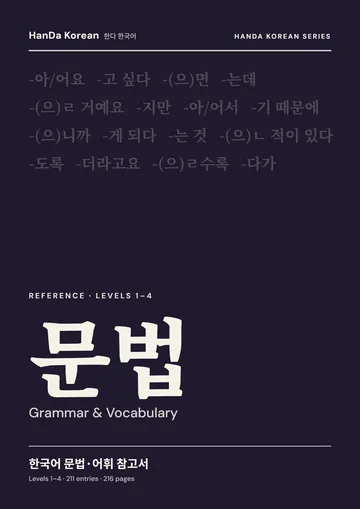 Korean Grammar & Vocabulary Reference
Every pattern in one place · 216 pages
$8
Korean Grammar & Vocabulary Reference
Every pattern in one place · 216 pages
$8
Practice this with an AI tutor
HanDa corrects every sentence you write or say — in real conversation, not flashcards.