9 Korean School Words from K-Dramas: 선배, 반장, 동창
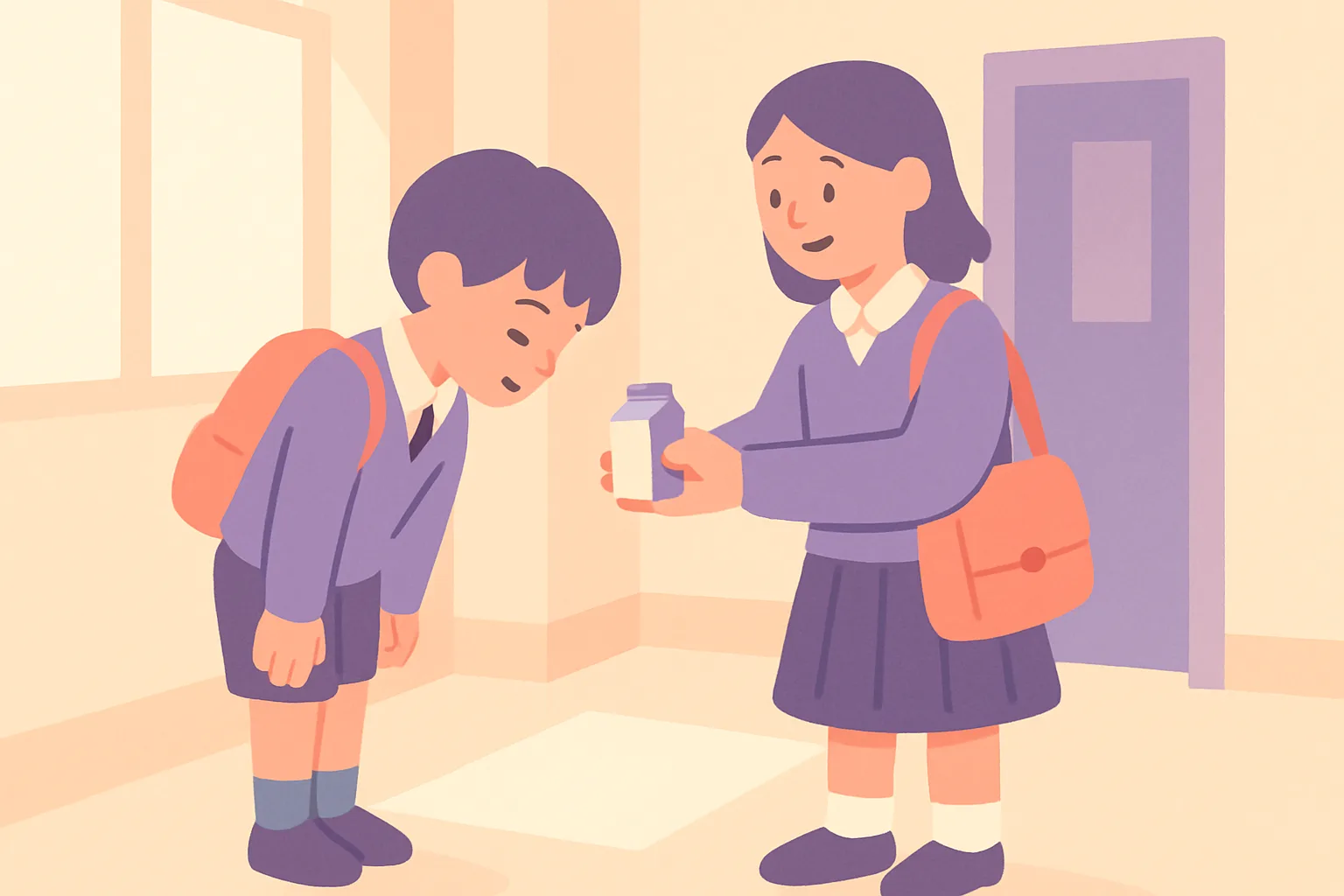
Watch any Korean school drama and you'll hear the same handful of words over and over: 선배, 반장, 동창. Subtitles usually replace them with a name or "hey" — which is fine for the plot, but it hides the whole point. In Korean, these words are names. They tell you who outranks whom, who speaks 반말 to whom, and who has to bow slightly in the hallway.
Here are nine of them, with a line you'd actually hear and what each one signals.
1. 선배 — the person who started before you
선배님, 뭐 하나 여쭤봐도 될까요? Senior, may I ask you something?
선배 is anyone who entered your school, club or company before you — even by one year. It's used instead of their name, which is why you hear characters say it twenty times an episode. Add 님 (선배님) when you want extra distance or respect; plain 선배 is normal between students who know each other. A junior calling a senior by bare name sounds blunt and a little rude, so dramas use that on purpose when someone is being defiant.
2. 후배 — the person who started after you
걔 제 대학교 후배예요. She's my junior from university.
Here's the asymmetry learners miss: 선배 is an address term, but 후배 almost never is. You talk about a 후배, you don't call someone "후배야" to their face — you use their name. If a character does say 후배야 directly, it reads as cold or power-playing. Describing someone as your 후배 also quietly tells the listener you're the older one in that relationship.
3. 동기 — same starting year
우리 과 동기예요. We started in the same department the same year.
동기 means you entered together — same entrance year, same cohort. It matters because 동기 are the only people in the vertical ladder who are automatically equal. Dramas love the moment two characters discover they're 동기, because it means the careful 존댓말 can drop. (If you're fuzzy on which level drops to which, the speech levels guide lays it out.)
4. 동창 — someone you went to school with
우리 고등학교 동창이에요. We went to the same high school.
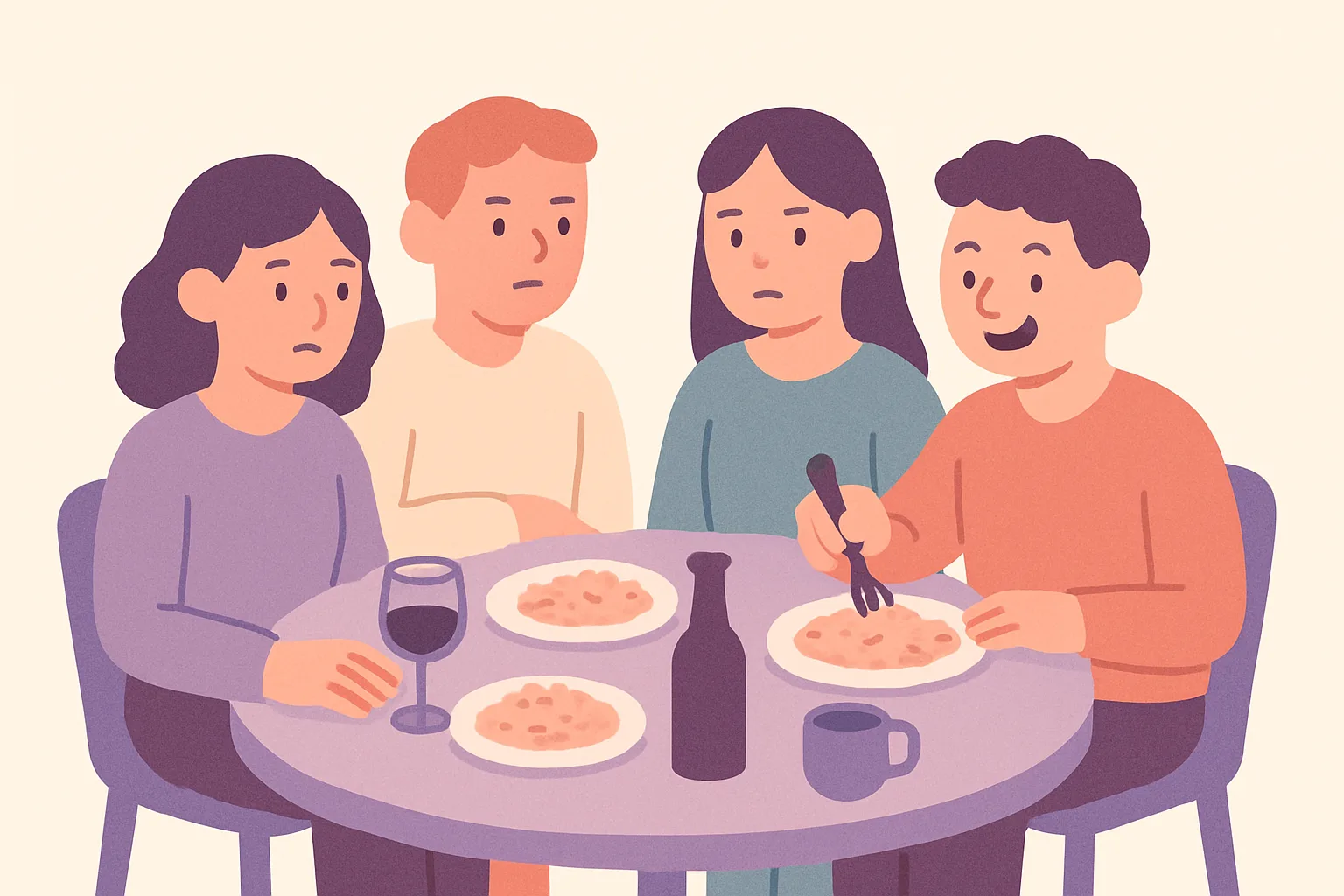
동창 is the reunion word. It points back at a shared school rather than at a shared starting year, and it's what adults say when they bump into someone years later. The difference from 동기 in one line: 동기 is about when you started, 동창 is about where you studied. Korean adults meeting an old 동창 often switch to 반말 within a minute — the shared school cancels the formality.
5. 반장 — class president
반장, 애들 좀 조용히 시켜. Class president, get everyone to quiet down.
반장 is both a job and a form of address: the teacher says 반장 instead of the student's name, and so do classmates. The 반장 collects homework, leads the standing bow at the start of class, and in drama terms is usually either the serious one or the one with a secret. 부반장 is the vice president. Calling someone 반장 when they aren't one is a tease — it means "such a rule-follower."
6. 짝 — the person you share a desk with
저 걔랑 1학년 때 짝이었어요. I sat next to him in first year.
짝 means "pair," and at school it's your desk partner — in Korean classrooms, desks are often set in twos, so who your 짝 is genuinely matters. 짝꿍 is the warmer, more childlike version, the one you'd use about elementary school. "짝이었어요" carries a soft nostalgia: it means you spent a whole year half a meter apart, which in a drama is more or less a confession waiting to happen.
7. 전학생 — transfer student
오늘 전학생 온대. Apparently a transfer student is coming today.
The 전학생 arrives, stands at the front, bows, and says 잘 부탁합니다. 전학 is the act of transferring schools (전학 가다 = to transfer away, 전학 오다 = to transfer in). Note the 온대 — that's 온다고 해 squeezed down, the standard 반말 way to pass on news you heard from someone else. Classmates whispering before homeroom use exactly that shape.
8. 쌤 — the clipped way students say 선생님
선생님, 질문 있어요. Teacher, I have a question.
선생님 is the safe, correct form and the one you should use. But students constantly shorten it to 쌤 — "쌤, 질문 있어요" — which sounds affectionate and casual, like a student who's comfortable in that classroom. It's fine from a teenager to their homeroom teacher; it is not fine from an adult to a professor, who is 교수님 anyway. Hearing 쌤 instantly tells you the speaker is young.
9. 말 편하게 하세요 — permission to drop the formality
선배, 말 편하게 하세요. Senior, please speak comfortably with me.
This is the line that converts a stiff relationship into a close one, and it's everywhere in school and workplace dramas. The younger or lower-status person offers it; the older person can also propose it with 말 놔도 되지? ("I can speak casually with you, right?"). The direction matters — asking a senior to keep using 존댓말 to you would be strange, and offering it upward would sound like you're granting a favor you don't have. Watching who offers first is half the fun, and it's the same social radar covered in these 눈치 phrases.
One more thing about the ladder
All nine words answer the same question: where do we stand relative to each other? That's why Korean conversations between new acquaintances get to 몇 학년이에요? or 몇 학번이에요? so fast — nobody can choose a speech level until that's settled. If you want the full first-meeting script, these phrases for meeting someone new will cover you.
And a spelling note worth keeping: 선배님 and 반장님 attach 님 with no space, and 전학 가다 / 전학 오다 take one.
Practice
- You want to ask a university senior a polite question. Fill the blank: ___, 뭐 하나 여쭤봐도 될까요?
- You and a new coworker both went to the same high school, years apart from your current job. Say it in Korean.
- True or false: you can call your junior 후배야 to get their attention.
- Translate: "Apparently a transfer student is coming today."
- A first-year says 선배, 말 편하게 하세요. What are they asking for?
Answers
- 선배님 (plain 선배 also works if you're already friendly).
- 우리 고등학교 동창이에요. — 동창 is the right word for sharing a school; 동기 would mean you started somewhere the same year.
- False. 후배 is used about someone, not as a form of address — use their name.
- 오늘 전학생 온대. (Polite version: 오늘 전학생 온대요.)
- They're inviting the senior to stop using 존댓말 and speak to them in 반말 — a step toward a closer relationship.
Learn this properly, not just once
Blog posts teach one thing at a time. The HanDa books teach level 1 in order — every lesson built to be spoken, with a workbook and writing book beside it.
 HanDa Korean Level 1 — Complete Set
Everything for level 1 — books, workbook and writing book · 511 pages
$10
HanDa Korean Level 1 — Complete Set
Everything for level 1 — books, workbook and writing book · 511 pages
$10
 Korean Grammar & Vocabulary Reference
Every pattern in one place · 216 pages
$8
Korean Grammar & Vocabulary Reference
Every pattern in one place · 216 pages
$8
Practice this with an AI tutor
HanDa corrects every sentence you write or say — in real conversation, not flashcards.