어떡해 vs 어떻게: 9 Korean Phrases and the Difference
Here is the whole thing in one line: 어떻게 means "how" and needs a verb after it. 어떡해 is already a complete sentence — "what do I do?"
That's it. The trouble is that in modern Korean speech the two sound nearly identical, so your ear can't help you. The difference only shows up the moment you type something, which is exactly when learners freeze. Below are nine phrases — five with 어떻게, four with 어떡해 and its cousins — each one usable on its own.
One more thing before the list, because it saves you forever: 어떻해 is not a word. It looks like a reasonable compromise between the two, and it is the single most common spelling slip, made by Korean speakers too. If you remember nothing else, remember that 어떻해 never exists.
1. 지하철역까지 어떻게 가요? — "How do I get to the subway station?"
This is 어떻게 doing its basic job: how, by what method, followed by a verb. You can drop it in front of almost any action verb — 어떻게 먹어요? (how do I eat this?), 어떻게 만들어요? (how do you make it?), 어떻게 읽어요? (how do you read this?). If the English sentence has the word "how" in it and a verb after it, 어떻게 is almost certainly right.
2. 어떻게 생각해요? — "What do you think?"
Note the mismatch: English says what, Korean says how. Asking 뭐 생각해요? sounds like you want to know the literal contents of someone's head, not their opinion. Use this when you want a real opinion about something — 이 색깔 어떻게 생각해요? (What do you think of this color?) — and 어떻게 생각하세요? when you're speaking to someone older or a customer.
3. 그동안 어떻게 지냈어요? — "How have you been all this time?"
The standard greeting for someone you haven't seen in months. 지내다 means to get by, to live day to day, so you're literally asking how they've been living. To a close friend it becomes 어떻게 지냈어? in 반말. A warm, safe answer is 잘 지냈어요 — "I've been well."
4. 이거 어떻게 해요? — "How do I do this?"
This is the dangerous one, so read it twice. You are asking about method: how do I operate this machine, how do I fill this in, how is this dish eaten. The 어떻게 and the 해요 stay separate, with a space. If you squash them into 이거 어떡해요? you have said something quite different — see number 7.
5. 어떡해! — "Oh no!" / "That's awful!"
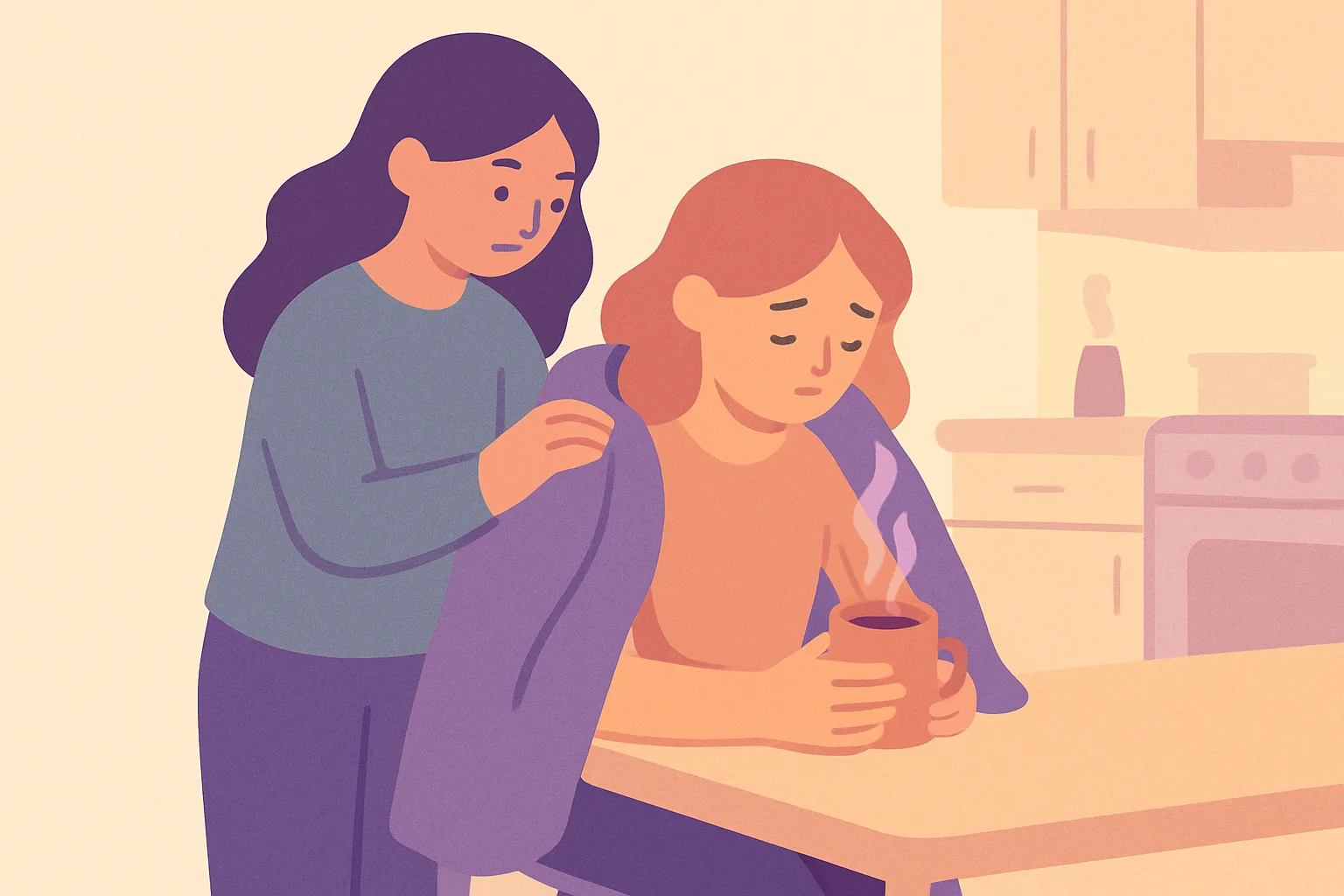
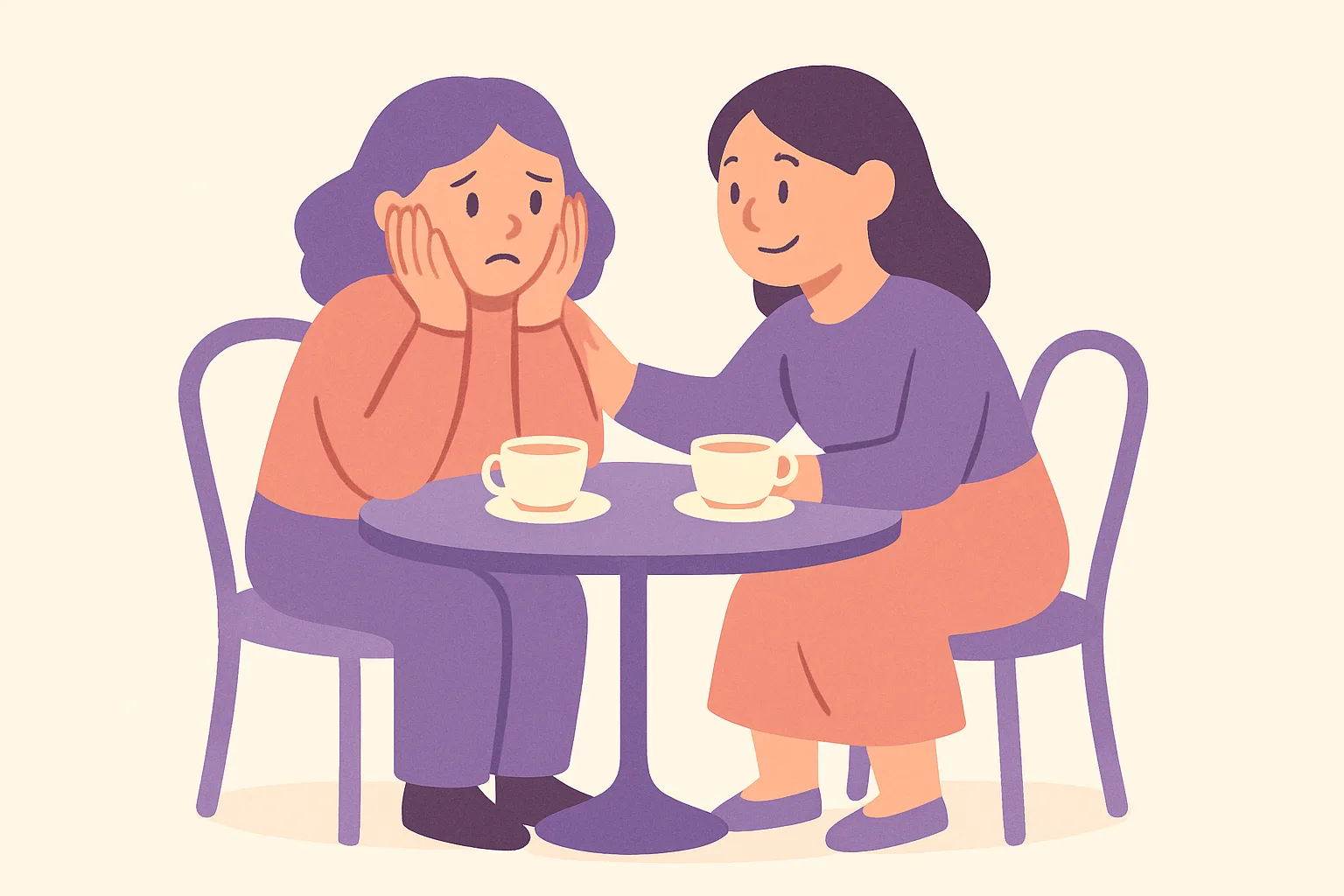
Standalone 어떡해 is a reaction, not a question. A friend tells you she lost her wallet and you say 어떡해, usually with a slight rise and a wince. It carries sympathy, so it lands much warmer than 진짜? (really?) would. In writing you'll constantly see it stretched out with ㅠㅠ — 헐 어떡해ㅠㅠ — which is standard friend-to-friend texting register, not something to send your boss.
6. 나 어떡해? — "What am I going to do?"
Same word, now about you. 시험에 떨어졌어. 나 어떡해? — "I failed the exam. What do I do?" It's a cry for help or comfort rather than a request for instructions; the person you say it to is expected to say 괜찮아, not to hand you a plan. The polite version is 저 어떡해요?, and you'd say it to a teacher or an older colleague you're close to.
7. 이걸 어떡해? — "What are we going to do about this?"
Here 어떡해 does take an object, and this is where the contrast with number 4 gets sharp. 이거 어떻게 해요? asks about method. 이걸 어떡해? means this is a mess and I have no solution — a stain on a borrowed shirt, a cracked screen, a cake that collapsed. If you ask a shop assistant 이거 어떡해요? while holding a product, they may well look up in alarm, because you sound like you're announcing a disaster rather than asking how it works.
8. 어떡하지? — "What should I do?" (thinking out loud)
-지? is the ending you use when you're half talking to yourself, so 어떡하지? is the worried muttering version: 버스를 놓쳤어. 어떡하지? — "I missed the bus. What do I do?" Polite form 어떡하죠?, and both are extremely common. It pairs naturally with the -네요 kind of just-noticed reaction: 어, 비 오네요. 우산 없는데 어떡하죠?
9. 어떻게 해야 돼요? — "What should I do?" (asking for real instructions)
Compare with number 8: 어떡하지? is emotional, 어떻게 해야 돼요? is practical. You use this when you genuinely want steps. 환불하려면 어떻게 해야 돼요? — "What do I have to do to get a refund?" If you say 어떡하죠? to a customer service worker, you sound distressed; 어떻게 해야 돼요? sounds like a person asking a sensible question.
Why the spelling works that way
어떻게 is an adverb built from the adjective 어떻다 (to be how, to be a certain way), so it behaves like 빠르게 or 쉽게 — it modifies a verb.
어떡해 is a shortcut. 어떻게 해 ("do how") got squeezed into one word over time, the way do not became don't. So 어떡해 already contains a verb — that's why it can stand alone as a sentence and why nothing needs to follow it.
That gives you a test you can run in a second:
| If you can say... | Write |
|---|---|
| "how \_\_\_" and a verb follows | 어떻게 |
| "what do I do" and the sentence ends there | 어떡해 |
| neither | you probably want 어떻게 + verb |
And a second check for the panicked cases: 어떻게 해! is grammatical — 나 어떻게 해! is a real sentence — but when the line is a cry rather than a question about method, Koreans almost always write the contracted 어떡해. So if what you mean is help, I'm in trouble, reach for the squeezed form. If what you mean is show me the steps, keep 어떻게 and its verb apart: 이거 어떻게 해요?
How the mistake lands
Writing 어떻해 doesn't make you unintelligible — everyone understands it — but it reads the way should of reads in English: a small flag that says the writer wasn't sure. Mixing up the other two is more interesting. Saying 어떡해요? when you meant "how do I do it?" makes you sound like something has gone wrong, and the other person will often answer 네? 무슨 일 있어요? ("Sorry? Is something wrong?"). Going the other way — 어떻게 해? in a moment where a friend expects sympathy — sounds oddly flat, like you're asking them for a procedure when they wanted a hug.
Practice
Fill in 어떻게, 어떡해, or 어떡하지.
- 이 단어는 \_\_\_ 읽어요? (How do you read this word?)
- 비행기를 놓쳤어. 나 \_\_\_? (I missed my flight. What do I do?)
- 그동안 \_\_\_ 지냈어요? (How have you been?)
- 내일이 시험인데 하나도 못 외웠어. \_\_\_? (The exam is tomorrow and I haven't memorized anything. What should I do?)
- Which of these three is never correct Korean: 어떻게 / 어떡해 / 어떻해?
Answers
- 어떻게 — a verb (읽어요) follows, so it's "how."
- 어떡해 — a complete cry for help; nothing follows it.
- 어떻게 — fixed greeting 어떻게 지냈어요?
- 어떡하지 — muttering to yourself. 어떡해? also works here.
- 어떻해. It is always a misspelling of 어떡해.
Learn this properly, not just once
Blog posts teach one thing at a time. The HanDa books teach level 1 in order — every lesson built to be spoken, with a workbook and writing book beside it.
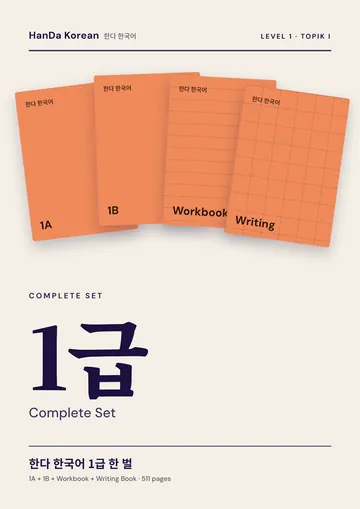 HanDa Korean Level 1 — Complete Set
Everything for level 1 — books, workbook and writing book · 511 pages
$10
HanDa Korean Level 1 — Complete Set
Everything for level 1 — books, workbook and writing book · 511 pages
$10
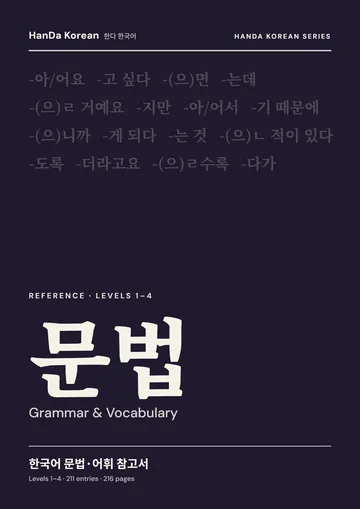 Korean Grammar & Vocabulary Reference
Every pattern in one place · 216 pages
$8
Korean Grammar & Vocabulary Reference
Every pattern in one place · 216 pages
$8
Practice this with an AI tutor
HanDa corrects every sentence you write or say — in real conversation, not flashcards.