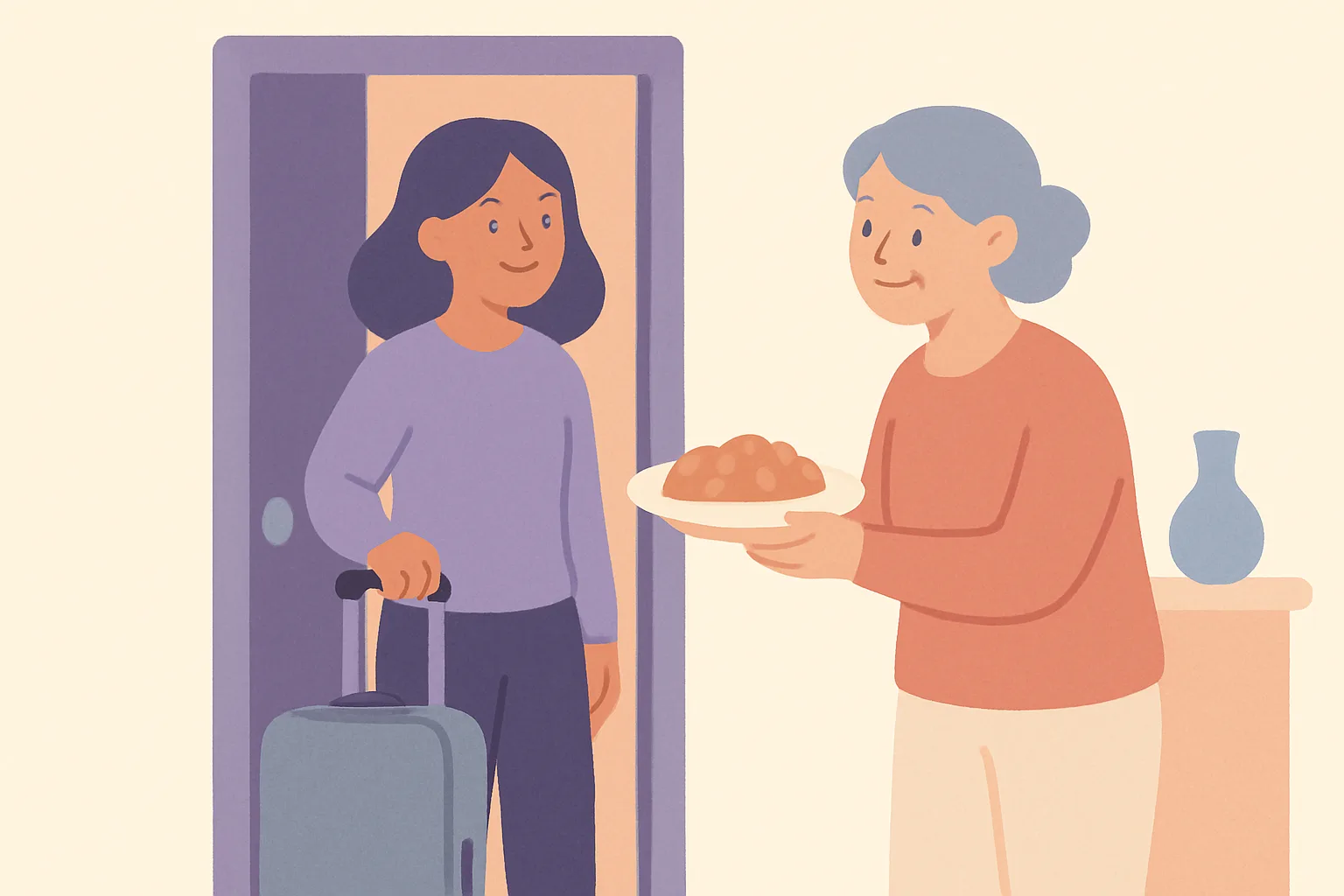
Korean Modifiers -(으)ㄴ, -는, -(으)ㄹ: Clauses Before Nouns
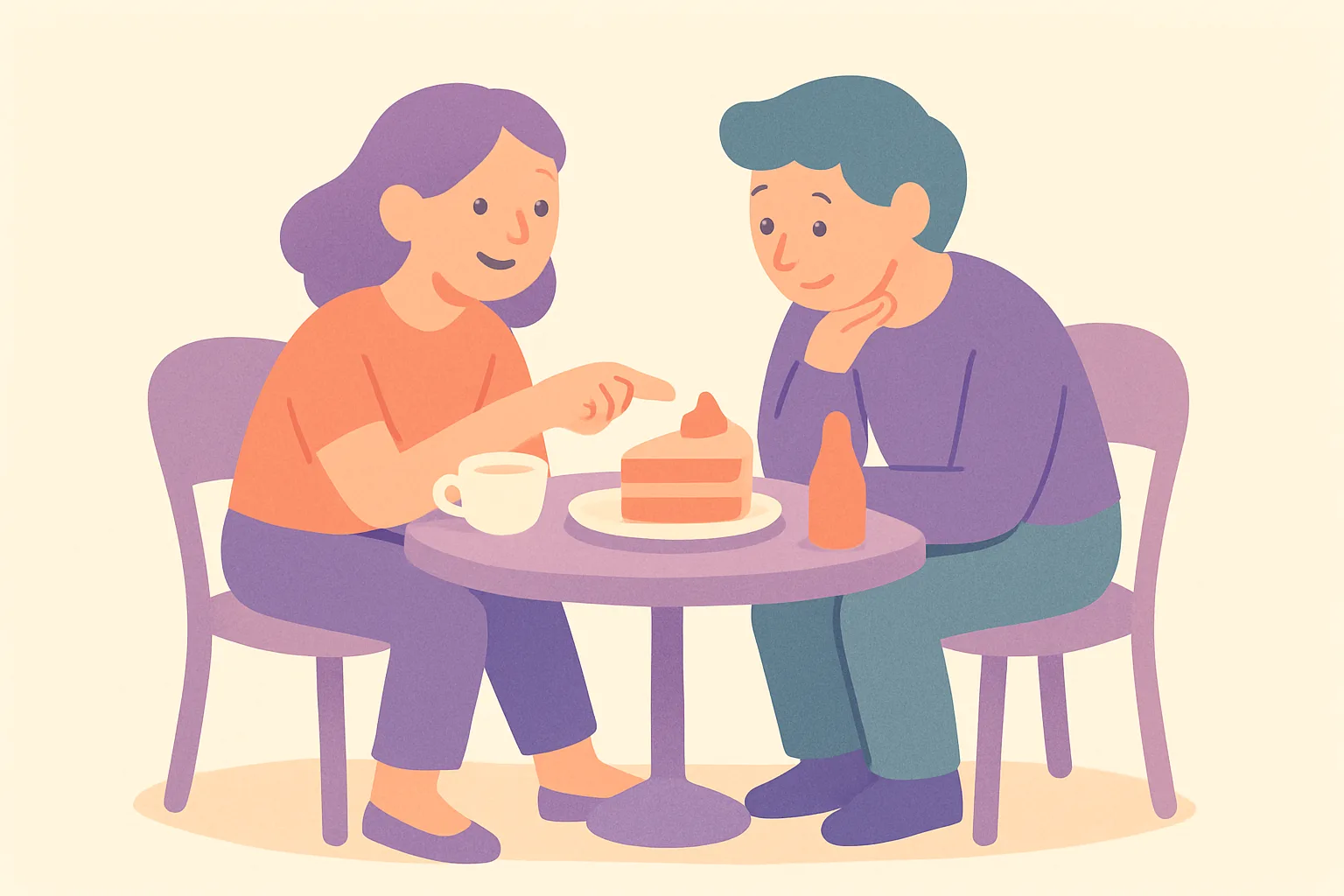
English says the movie that I saw yesterday. Korean says the same thing, but everything piles up in front of the noun, and there is no word for that or which at all:
어제 본 영화 진짜 재미있었어요. — The movie I saw yesterday was really good.
어제 본 → "saw yesterday," then 영화 → "movie." The description comes first, the noun lands last, and the little ending on 보다 (본) is doing the job of both that and saw.
That's the one idea: in Korean, a whole clause can sit before a noun, and the verb ending at the end of that clause carries the tense. Three endings do almost all the work — -(으)ㄴ, -는, -(으)ㄹ. Learn which one goes where and a huge amount of real Korean opens up.
The three forms
| past | present | future / not yet | |
|---|---|---|---|
| Verbs (보다, 먹다) | -(으)ㄴ: 본, 먹은 | -는: 보는, 먹는 | -(으)ㄹ: 볼, 먹을 |
| Adjectives (좋다, 예쁘다) | -던 / -았던 | -(으)ㄴ: 좋은, 예쁜 | -(으)ㄹ: 좋을, 예쁠 |
Two extras to tuck in now:
- 있다 / 없다 take -는: 맛있는 음식, 재미없는 영화, 시간이 있는 사람. Never 있은.
- 이다 takes -ㄴ: 제 친구 중에 간호사인 사람도 있어요. — One of my friends is a nurse.
Verbs: the ending is the tense
Same noun, three times:
- 어제 먹은 빵이 맛있었어요. — The bread I ate yesterday was good.
- 제가 매일 먹는 빵이에요. — It's the bread I eat every day.
- 내일 아침에 먹을 빵을 샀어요. — I bought the bread I'll eat tomorrow morning.
Notice that the main verb at the end of the sentence doesn't have to match. 먹을 빵을 샀어요 — the bread is for the future, the buying already happened. The modifier's tense is relative to the noun, not to the sentence.
More you'll hear every day:
- 요즘 보는 드라마 있어요? — Is there a drama you're watching these days?
- 이거 누가 만든 거예요? — Who made this?
- 여기가 어제 친구랑 간 카페예요. — This is the cafe I went to with my friend yesterday.
The trap: -(으)ㄴ means two different things
Here is where almost everyone slips. On a verb, -(으)ㄴ is past. On an adjective, -(으)ㄴ is present.
- 먹은 빵 = the bread I ate (verb → past)
- 작은 빵 = a small bread roll (adjective → present)
So 좋은 사람 is a good person, not a person who was good. 예쁜 가방 is a pretty bag, right now.
The practical fallout is this pair:
- 좋은 사람이에요. — He's a good person.
- 제가 좋아하는 사람이에요. — He's the person I like.
좋다 is an adjective, so it takes -(으)ㄴ. 좋아하다 is a verb, so it takes -는. Saying ✗좋아한 사람 for "the person I like" pushes it into the past — it sounds like someone you used to like. Same with 싫어하는, 원하는, 필요한 (필요하다 is an adjective — 필요한 것, the thing that's needed).
-(으)ㄹ isn't only the future
-(으)ㄹ marks something not yet real: planned, possible, intended. That covers more ground than English "will."
- 할 말이 있어요. — I have something to say.
- 먹을 거 좀 사 올까요? — Shall I go buy something to eat?
- 오늘 할 일이 많아요. — I have a lot to do today.
Compare 하는 일 (the work I do — my job) with 할 일 (things to do — a to-do list). Natives pick -(으)ㄹ the moment the action is still ahead.
And one fixed habit worth memorizing: 때 (when) almost always takes -(으)ㄹ, even for things that already happened repeatedly.
- 시간 있을 때 전화 주세요. — Call me when you have time.
- 저는 학교 다닐 때 축구를 많이 했어요. — I played a lot of soccer when I was at school.
For one completed event in the past, use -았/었을 때: 한국에 처음 왔을 때 많이 긴장했어요. — When I first came to Korea, I was very nervous.
Bonus: -던 for "used to"
-던 and -았/었던 describe something past that was repeated or left unfinished. Beginners don't need it to survive, but you'll hear it constantly.
- 어릴 때 자주 먹던 과자예요. — It's a snack I often ate as a kid.
- 제가 마시던 커피예요. — That's the coffee I was drinking.
It's also the natural choice with 살다: 예전에 살던 집 (the house I used to live in) sounds far better than 산 집.
Inside the clause, use 이/가 — not 은/는
This one matters. When the modifying clause has its own subject, that subject takes 이/가:
- ○ 제가 좋아하는 가수예요. — It's the singer I like.
- ✗ 저는 좋아하는 가수예요.
The second one doesn't sound like a small error to a Korean ear — 저는 jumps out as the subject of the whole sentence, so you've announced "I am a singer who likes…" and then stopped. Keep 은/는 for the main sentence; inside the bracket, 이/가. If you want more on how Korean glues clauses together, see how -아서, -니까 and -는데 connect sentences — and yes, the -는 in -는데 is the same -는 you just learned.
Irregular stems, quickly
| verb | -는 | -(으)ㄴ | -(으)ㄹ |
|---|---|---|---|
| 살다 | 사는 | 산 | 살 |
| 만들다 | 만드는 | 만든 | 만들 |
| 듣다 | 듣는 | 들은 | 들을 |
| 짓다 | 짓는 | 지은 | 지을 |
ㄹ-stems drop the ㄹ before ㄴ and 는: 지금 사는 동네가 조용해요. — The neighborhood I live in now is quiet. Adjectives with ㅂ behave as you'd expect from -아/어요: 춥다 → 추운 날, 맵다 → 매운 음식, 어렵다 → 어려운 문제.
How to build one while you're talking
Start from the noun and work backwards. You want "the person who sent me this":
- 사람
- 보낸 사람
- 이거 보낸 사람
- 이거 보낸 사람이 누구예요?
The reason this feels hard at first is that you have to decide the shape of the whole description before you say the noun — English lets you blurt the noun and patch on details afterward. Practice short ones (two or three words) until they're automatic; long ones will come. If the planning is what makes you stall mid-sentence, this piece on freezing when you speak has some ways out.
Practice
Fill in the right modifier form.
- 어제 (읽다) ___ 책이 정말 재미있었어요.
- 제가 요즘 (살다) ___ 동네는 조용해요.
- 주말에 (하다) ___ 일이 아직 많아요. (not done yet)
- (맛있다) ___ 거 먹고 싶어요.
- Fix this: 저는 좋아하는 음식은 떡볶이예요.
Answers
- 읽은 — 어제 읽은 책이 정말 재미있었어요. (The book I read yesterday was really good.) Verb + -(으)ㄴ = past.
- 사는 — 제가 요즘 사는 동네는 조용해요. (The neighborhood I live in these days is quiet.) ㄹ drops before -는.
- 할 — 주말에 할 일이 아직 많아요. (I still have a lot to do on the weekend.) Not yet done → -(으)ㄹ.
- 맛있는 — 맛있는 거 먹고 싶어요. (I want to eat something tasty.) 있다/없다 always take -는.
- 제가 좋아하는 음식은 떡볶이예요. (The food I like is tteokbokki.) The subject inside the modifying clause takes 이/가, so 저는 → 제가.
Learn this properly, not just once
Blog posts teach one thing at a time. The HanDa books teach level 1 in order — every lesson built to be spoken, with a workbook and writing book beside it.
 Korean Grammar & Vocabulary Reference
Goes with this post · 216 pages
$8
Korean Grammar & Vocabulary Reference
Goes with this post · 216 pages
$8
 HanDa Korean Level 1 — Complete Set
Everything for level 1 — books, workbook and writing book · 511 pages
$10
HanDa Korean Level 1 — Complete Set
Everything for level 1 — books, workbook and writing book · 511 pages
$10
Practice this with an AI tutor
HanDa corrects every sentence you write or say — in real conversation, not flashcards.