-게 되다 in Korean: 9 Ways to Say How Things Turned Out
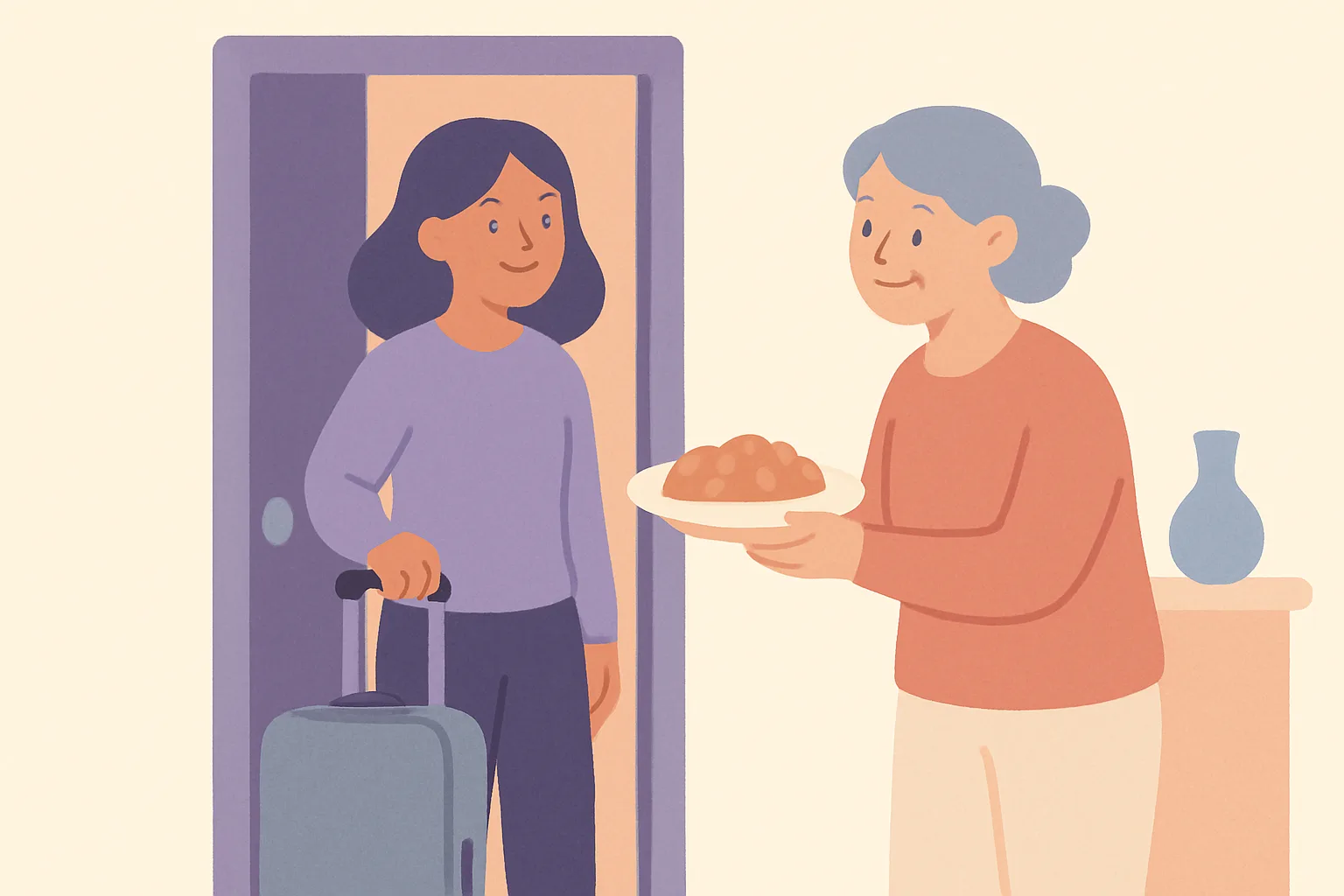
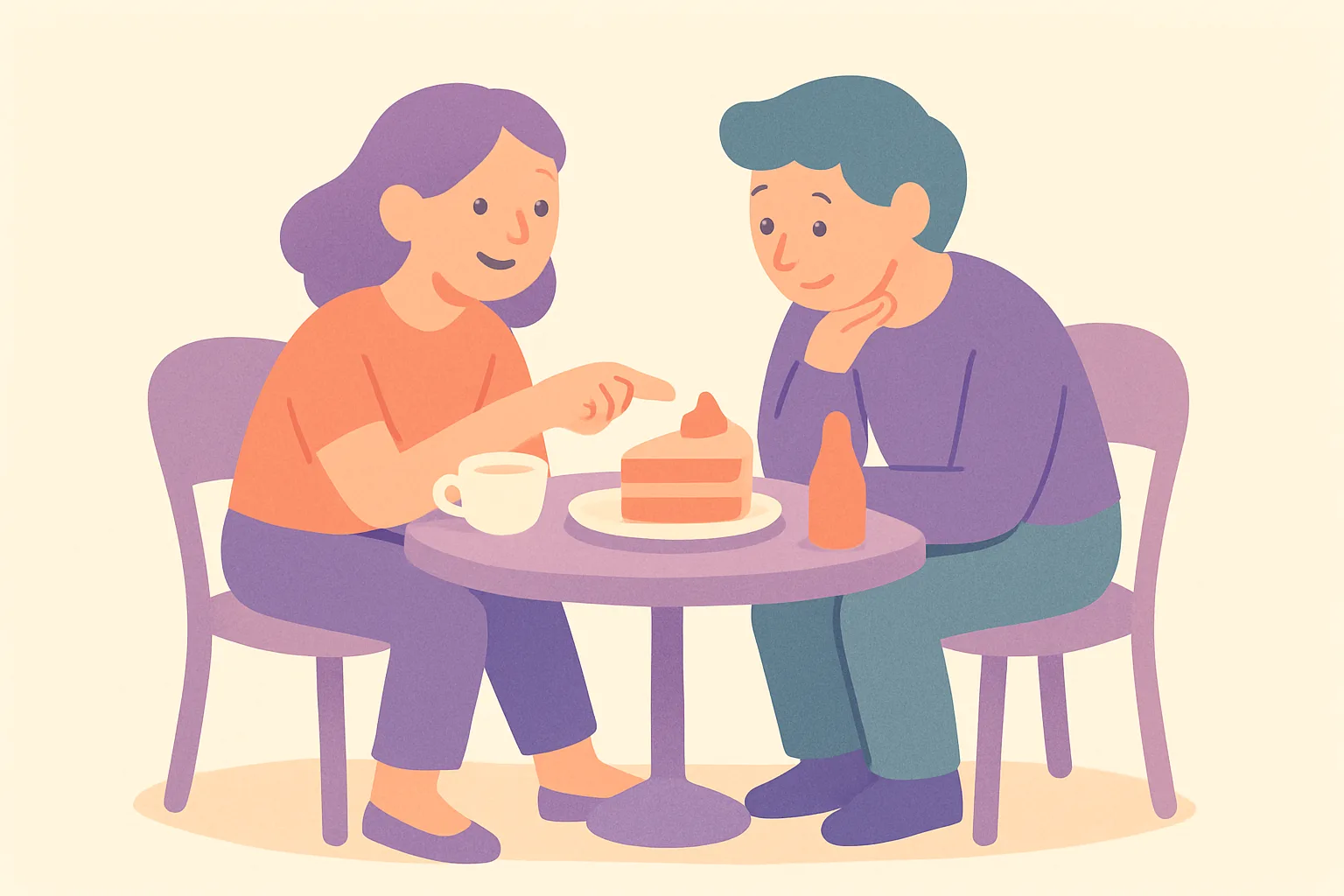
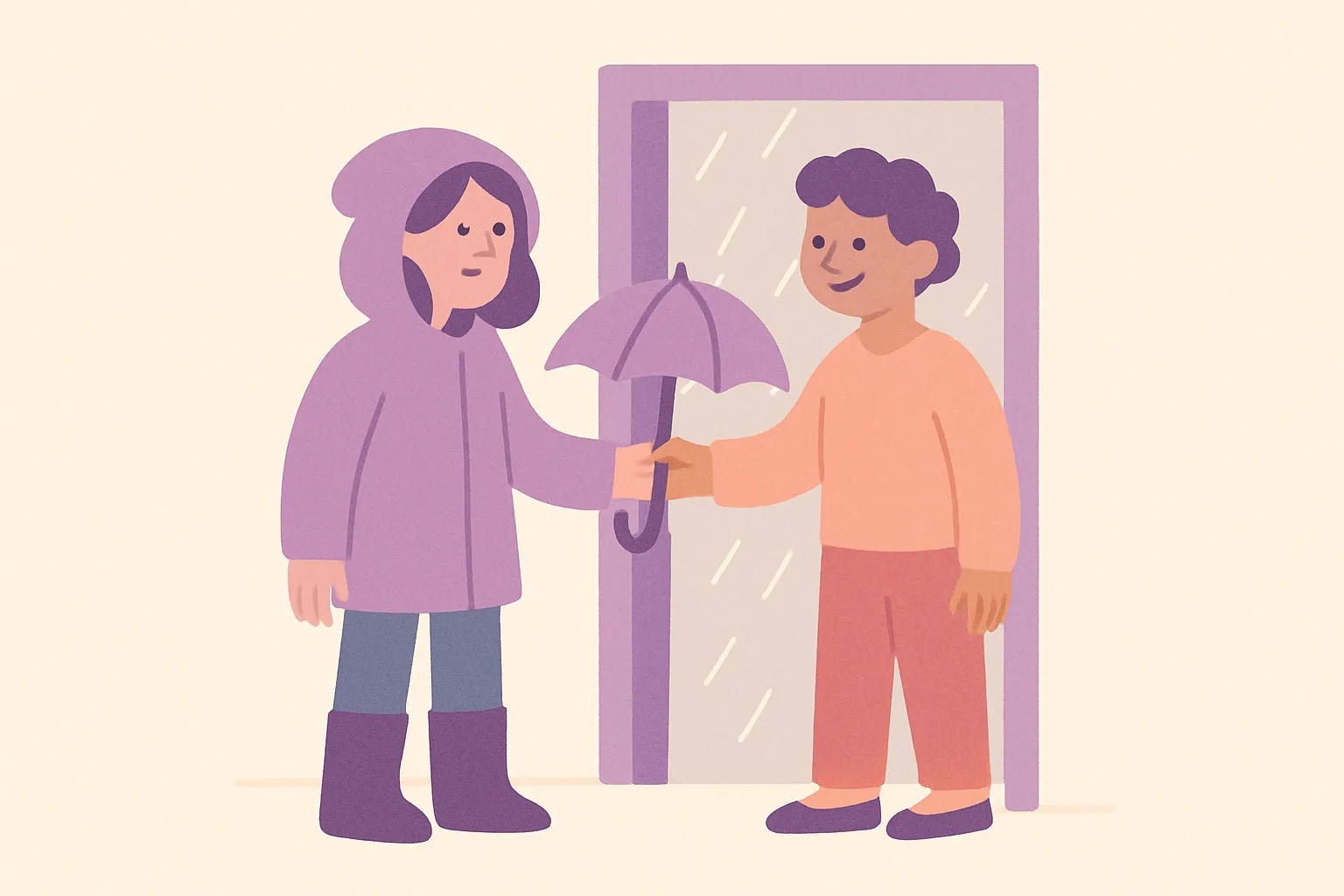
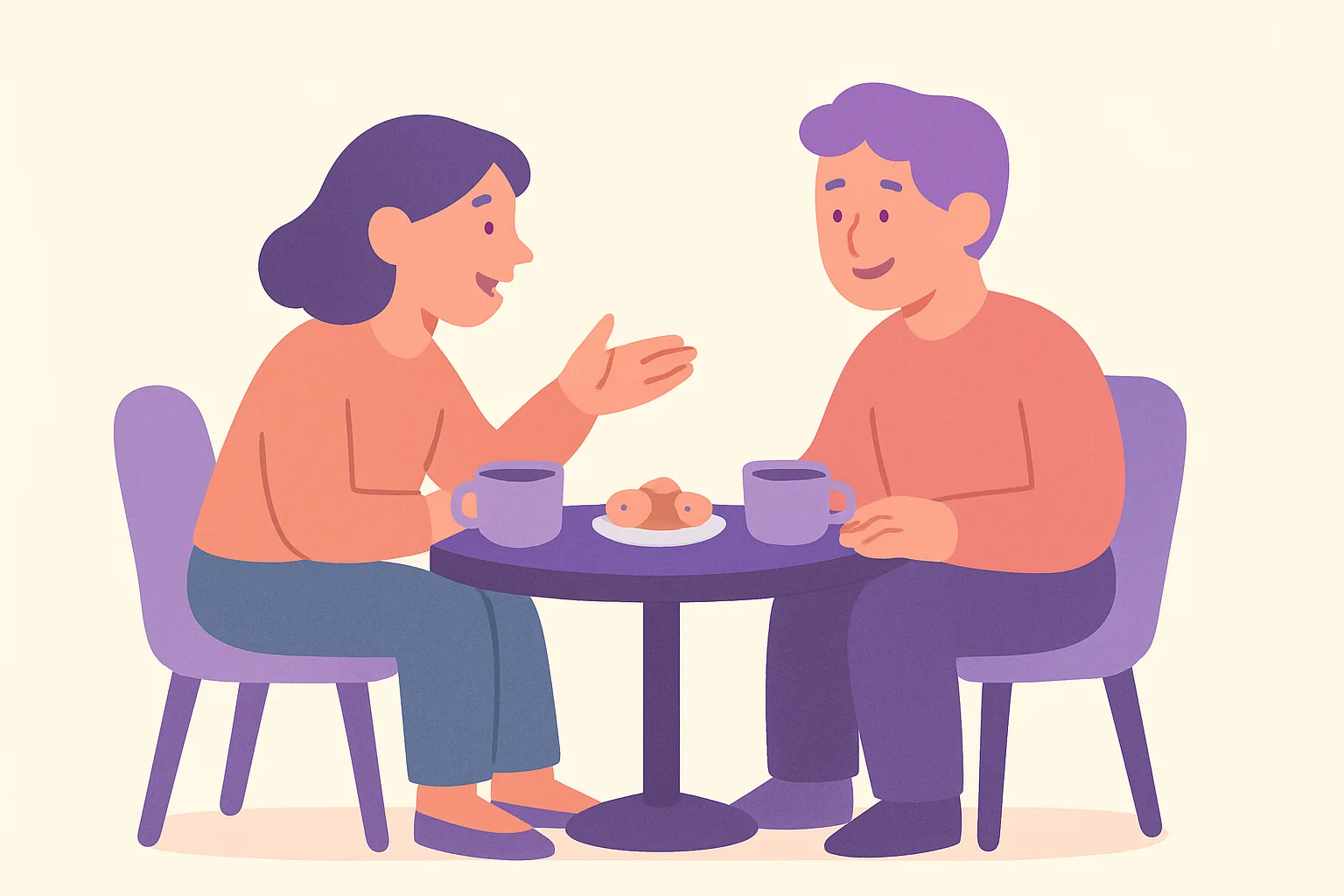
Korean has a grammar point that English mostly handles with a shrug: -게 되다. It turns "I did it" into "it came about that I did it." The result is the same; the feeling is completely different. One sounds like a decision, the other sounds like life happened.
That's the one idea to take away: -게 되다 moves the cause outside of you. Circumstances, timing, other people, luck. Koreans reach for it constantly — to be modest about good news, to soften bad news, and to explain how they got somewhere without sounding like they planned it all along.
The form
Attach -게 되다 to a verb stem. No 받침 rules, no exceptions worth memorizing.
| Verb | + -게 되다 | Past (해요체) |
|---|---|---|
| 가다 | 가게 되다 | 가게 됐어요 |
| 먹다 | 먹게 되다 | 먹게 됐어요 |
| 일하다 | 일하게 되다 | 일하게 됐어요 |
Most of the time you'll use it in the past tense, because you're reporting how something turned out. 됐어요 is the contraction of 되었어요 — both are correct, 됐어요 is what people say. It is never spelled 됬어요.
Now the nine uses.
1. How you got into something
한국 드라마를 보다가 한국어를 배우게 됐어요. I was watching Korean dramas, and I ended up learning Korean.
This is the classic "how did this start?" answer. 배웠어요 would be a flat fact; 배우게 됐어요 tells the listener there's a story behind it — something pulled you in. Koreans use this whenever the beginning of a hobby, a job, or a friendship wasn't a formal decision.
2. How you came to know someone
두 분은 어떻게 알게 되셨어요? How did you two meet?
알다 means "know," so 알게 되다 is "come to know" — the moment knowledge arrives. This is the standard, polite way to ask two people how they know each other, far more natural than translating "meet" as 만나다 here. 만났어요 asks about one meeting; 알게 됐어요 asks about the connection.
You can also use it for information: 그 소식을 어제 알게 됐어요. I found out about that news yesterday.
3. A taste or feeling that changed over time
처음에는 매운 음식을 못 먹었는데, 지금은 아주 좋아하게 됐어요. At first I couldn't eat spicy food, but now I've come to really like it.
With verbs of feeling — 좋아하다, 싫어하다, 믿다, 이해하다 — -게 되다 marks a slow change you didn't force. It's the difference between "I like it" and "I grew to like it." The 는데 in front sets up the contrast; if that ending still feels slippery, here's when -는데 isn't "but" at all.
4. Announcing good news without bragging
저 다음 달에 결혼하게 됐어요. I'm getting married next month.
Nobody accidentally gets married. But announcing it with 결혼해요 can sound a little bare, even boastful, while 결혼하게 됐어요 says things worked out this way — humble, warm, and completely standard. You'll hear the same shape for 집을 사게 됐어요, 유학을 가게 됐어요, 상을 받게 됐어요. Modesty is doing the work.
5. Introducing yourself at work
오늘부터 마케팅팀에서 일하게 됐습니다. 잘 부탁드립니다. I'll be working in the marketing team starting today. I look forward to working with you.
This is 합쇼체, the formal speech level for workplaces and public settings. A new-hire introduction in Korea almost always uses -게 됐습니다, because saying 일합니다 would sound like you appointed yourself. Swap in the team or role: 이번에 서울 지점으로 가게 됐습니다. I'll be moving to the Seoul branch.
6. Cancelling plans politely
갑자기 일이 생겨서 오늘 모임에 못 가게 됐어요. Something came up, so it turns out I can't make it to the gathering today.
This is the single most useful item on the list. 못 가요 is "I can't go." 못 가게 됐어요 is "it's turned out that I can't go" — the situation cancelled, not you. Pair it with a reason in -아/어서, which presents the cause as simple background rather than an argument; the difference between that and -(으)니까 is laid out in nine ways to say "because" in Korean.
7. The shrug: 그렇게 됐어요
어쩌다 보니 그렇게 됐어요. One thing led to another, and that's how it turned out.
어쩌다 보니 ("somehow, as things went along") and 그렇게 됐어요 are a matched pair. Use it when you don't want to explain the whole story, or when the story is too long or slightly embarrassing. It closes a topic gently — a Korean ear hears "no big deal, let's move on," not evasion.
8. -게 되면: if it ever happens
서울에 오게 되면 꼭 연락 주세요. If you ever come to Seoul, please get in touch.
오면 is a plain "if you come." 오게 되면 adds if circumstances bring you — softer, less presumptuous, and the normal way to extend an open invitation. It's useful when you don't want to pressure someone: 혹시 시간이 나게 되면 같이 밥 먹어요. If you happen to get some free time, let's eat together.
9. -게 될 것 같아요: a soft prediction
아무래도 다음 주에 가게 될 것 같아요. It looks like I'll end up going next week.
This is how you give news that isn't fully settled. 갈 것 같아요 is already soft; 가게 될 것 같아요 adds that outside forces are deciding. Koreans use it for schedules that depend on a boss, a family member, or a visa — anything where you're not the one holding the pen.
Two mistakes to avoid
Don't use it with adjectives. 춥다, 예쁘다, 비싸다 and friends take -아/어지다, not -게 되다.
- ✅ 날씨가 추워졌어요. The weather got cold.
- ❌ 날씨가 춥게 됐어요.
The quick test: if the English is "become + adjective," use -아/어지다. If it's "come to / end up + verb," use -게 되다. 좋아하다 looks like a feeling but is a verb, which is why 좋아하게 됐어요 is correct.
Don't use it for every past action. If you simply decided to do something and did it, say it plainly. 어제 영화를 봤어요 is I watched a movie yesterday. 어제 영화를 보게 됐어요 implies you hadn't planned to — a friend dragged you, or you had time to kill. Overusing -게 되다 makes you sound like you have no will of your own, which is charming once and strange five times in a row.
Practice
Translate or choose the natural option.
- Ask a couple politely: "How did you two meet?"
- 날씨가 많이 ( 춥게 됐어요 / 추워졌어요 ).
- Text a friend: "Something came up, so it turns out I can't go today."
- "It looks like I'll end up moving next month." (이사하다)
- "If you ever come to Busan, please get in touch."
Answers
- 두 분은 어떻게 알게 되셨어요?
- 추워졌어요 — 춥다 is an adjective, so it takes -아/어지다.
- 갑자기 일이 생겨서 오늘 못 가게 됐어요.
- 다음 달에 이사하게 될 것 같아요.
- 부산에 오게 되면 꼭 연락 주세요.
Learn this properly, not just once
Blog posts teach one thing at a time. The HanDa books teach level 1 in order — every lesson built to be spoken, with a workbook and writing book beside it.
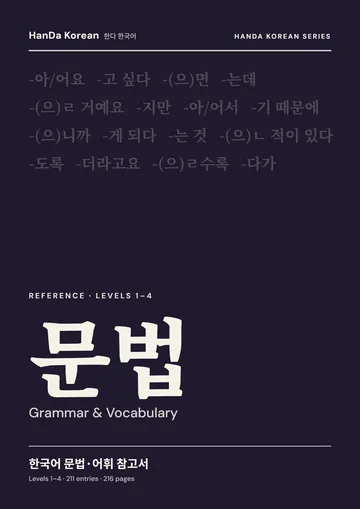 Korean Grammar & Vocabulary Reference
Goes with this post · 216 pages
$8
Korean Grammar & Vocabulary Reference
Goes with this post · 216 pages
$8
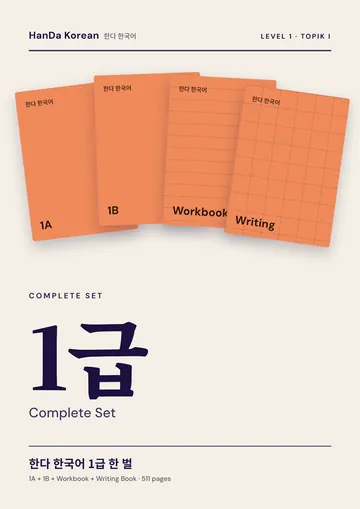 HanDa Korean Level 1 — Complete Set
Everything for level 1 — books, workbook and writing book · 511 pages
$10
HanDa Korean Level 1 — Complete Set
Everything for level 1 — books, workbook and writing book · 511 pages
$10
Practice this with an AI tutor
HanDa corrects every sentence you write or say — in real conversation, not flashcards.