9 Korean Words for Feelings Beyond Happy and Sad
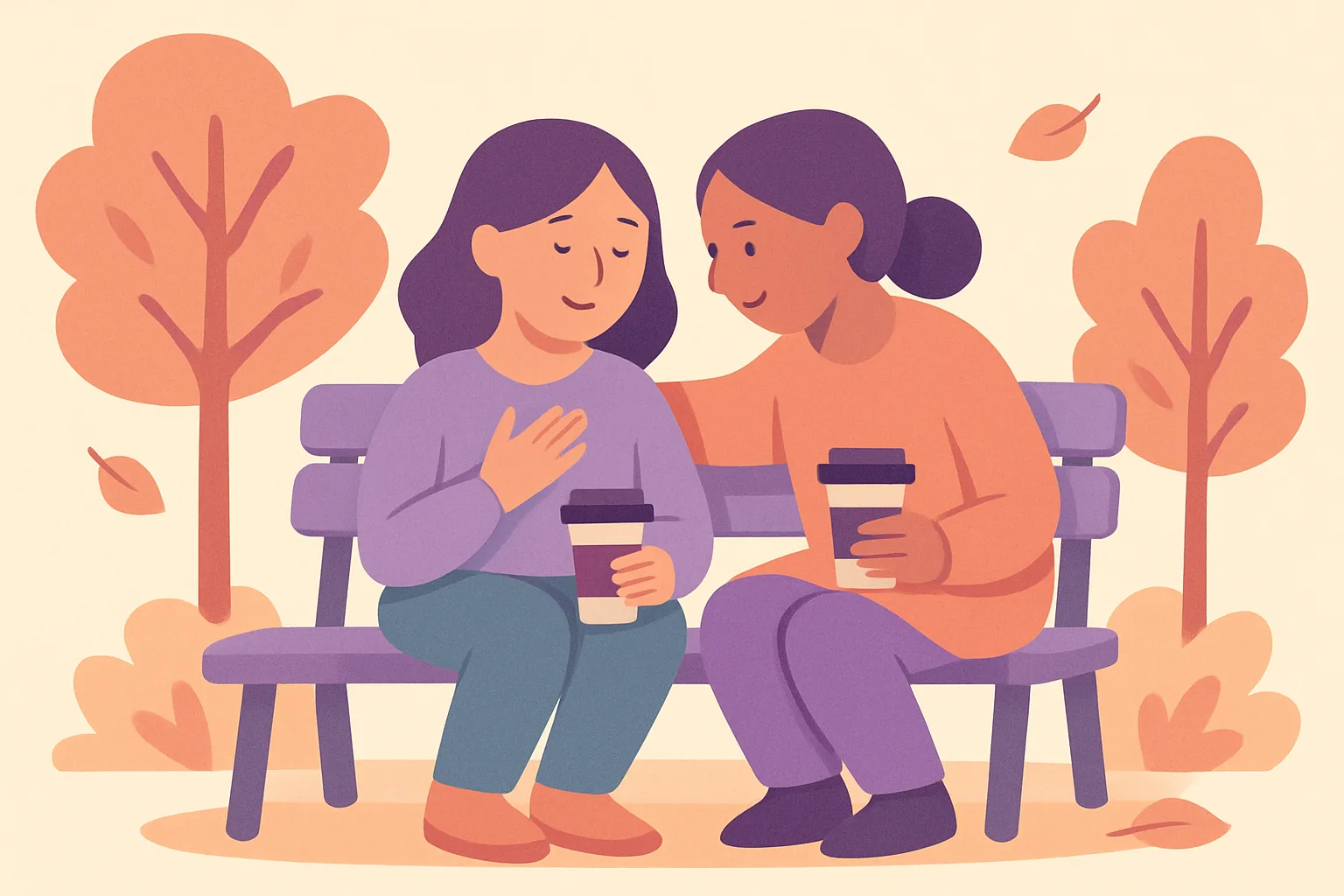
If you only know 기분이 좋아요 and 슬퍼요, you can describe about two percent of a normal day. Korean feeling words are unusually specific — not about how strong the feeling is, but about why you feel it and who caused it. 서운하다 and 속상하다 are both "upset," but one is caused by a person you love and the other by a situation that went wrong. Pick the wrong one and you'll still be understood, but a Korean ear will hear something slightly off, like saying "I'm devastated" about a late bus.
Here are nine that come up constantly. Each one stands alone — take the one you need today.
1. 설레다 — that flutter before something good
내일 여행 가는 날이라서 너무 설레요. Tomorrow's the day we leave for the trip, so I'm so excited.
설레다 is the heart beating a little faster before something happens: a trip, a first day, seeing someone you like. It's anticipation you feel in the chest, not general excitement — you can't use it for "the concert was exciting." It's also the standard word for early romance, which is why it shows up everywhere around saying 좋아해 to someone.
그 사람 생각만 해도 설레요. — Just thinking about him makes my heart flutter.
Two spelling traps: it's 설레요 and 설렜어요 (not 설레여요), and the noun is 설렘, not 설레임. Even Koreans get this one wrong online.
2. 뿌듯하다 — quietly full of pride
한 달 동안 준비한 발표가 잘 끝나서 뿌듯해요. The presentation I prepared for a month went well, so I feel really proud.
뿌듯하다 is the warm, full feeling after effort pays off. It's softer and more inward than 자랑스럽다 ("proud," said about someone, often out loud). You can feel 뿌듯하다 about yourself without sounding arrogant — that's the difference. It works for other people too, when their success fills your chest:
아이가 인사를 잘해서 뿌듯했어요. — My kid greeted everyone properly, and it made me proud.
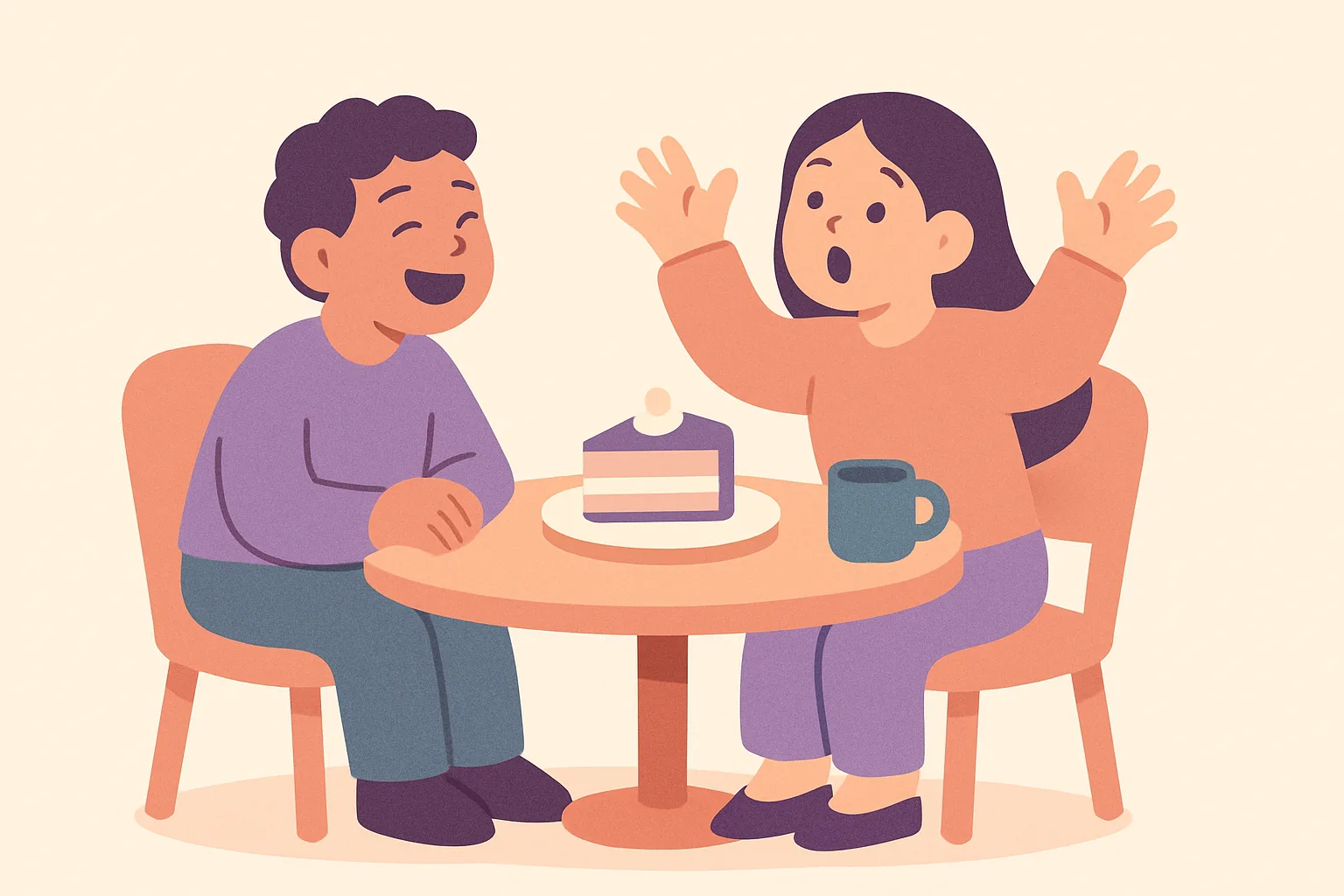
3. 서운하다 — hurt, but only because I care
연락도 없이 안 와서 좀 서운했어요. You didn't come and didn't even message, so I was a little hurt.
This is the one English is missing. 서운하다 is the small ache when someone close to you doesn't do what you quietly hoped for. It is not anger and not blame — saying it is actually a sign of closeness, because you only get 서운하다 at people who matter. Koreans often soften it further with 좀 or 조금.
서운하게 생각하지 마세요. — Please don't take it the wrong way.
If you use 화났어요 ("I'm angry") where a Korean would say 서운했어요, it sounds three times heavier than you meant. Reach for 서운하다 first with friends and family. It sits close to other words for feelings English can't carry over — see these untranslatable Korean words.
4. 아쉽다 — a shame it's over
벌써 가야 돼요? 아쉽네요. You have to go already? That's a shame.
아쉽다 is regret about a situation: time running out, a missed chance, something ending too soon. Compare it with 서운하다, which is about a person. If your friend leaves early, 아쉽다 means "I wish we had more time"; 서운하다 means "I'm a little hurt that you're leaving."
오늘 못 봐서 아쉬워요. — It's too bad we couldn't meet today.
5. 속상하다 — upset, heart-sore
열심히 했는데 결과가 안 좋아서 속상해요. I worked hard but the result wasn't good, so I'm upset.
속상하다 literally suggests your insides are damaged. It's the feeling when something you cared about goes wrong — a bad grade, a broken plate that mattered, a child who won't eat. It's heavier than 아쉽다 and more personal, but it points at the situation, not at blame. Parents use it about their kids constantly.
엄마가 속상해하실 것 같아요. — I think Mom will be upset.
6. 답답하다 — blocked, stuck, can't get through
말이 안 통해서 답답해요. We can't communicate, and it's so frustrating.
답답하다 is frustration with no exit: you can't explain yourself, the other person won't understand, the problem won't move. Every Korean learner knows this feeling personally. It also works physically for stuffiness — a tight shirt, a hot room, a heavy chest.
창문 좀 열어도 돼요? 좀 답답해요. — Can I open the window? It's a bit stuffy.
Note that 답답하다 can describe a person: 저 사람 진짜 답답해요 means "that person is so slow on the uptake," which is not a compliment. Use it about situations unless you mean it.
7. 홀가분하다 — light, now that it's done
시험 끝나서 홀가분해요. The exam is over, so I feel so light.
That specific relief when a weight lifts off you — a deadline passed, a duty finished, a decision finally made. It's not 행복하다 (happy) and not 기쁘다 (glad); it's unburdened. Koreans often pair it with 마음이:
할 일을 다 끝내니까 마음이 홀가분해요. — Now that I've finished everything, my mind feels clear.
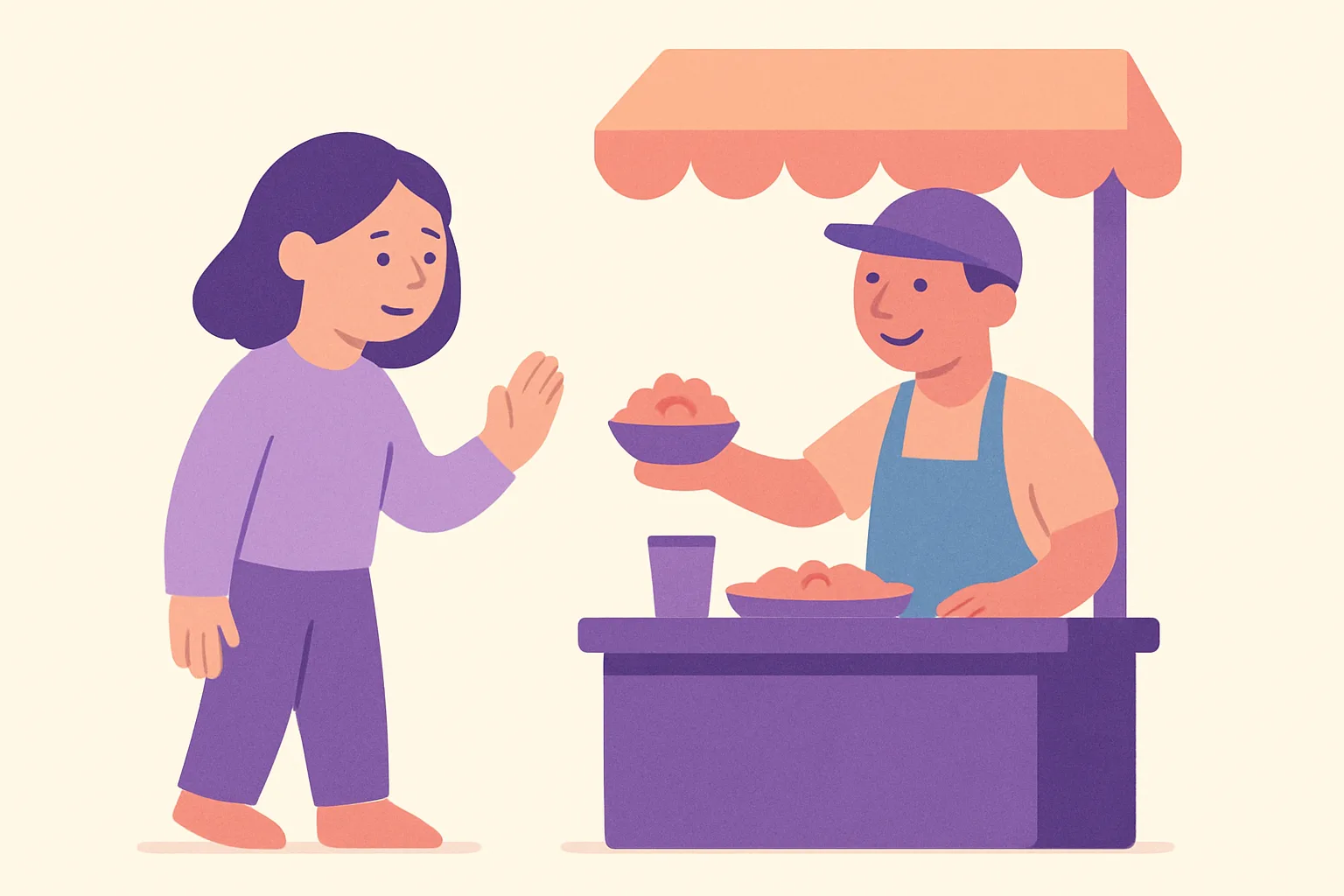
8. 민망하다 — mildly, awkwardly embarrassed
이름을 잘못 불러서 민망했어요. I called him by the wrong name, and it was so awkward.
민망하다 is the light version of embarrassment: a small social slip, being complimented in front of people, tripping on a flat sidewalk. 창피하다 is the heavy version — real shame, the kind you remember at 2 a.m. Use 민망하다 for the everyday stuff and you'll sound right.
칭찬을 들으니까 좀 민망해요. — Getting complimented makes me a little shy.
9. 든든하다 — reassured, backed up
네가 옆에 있어서 든든해. (반말, to a close friend) Having you next to me makes me feel secure.
든든하다 is the feeling of a solid thing behind you: a reliable person, a full stomach, savings in the bank. Koreans use it for food and people with the same word, and both mean "now I can face the day." Telling someone 든든해요 is a real compliment — it says I can lean on you.
아침을 먹으니까 든든해요. — Having breakfast makes me feel good and full.
One grammar rule that saves you
Most of these are adjectives, and Korean adjectives of feeling belong to you. For someone else, add -어/아하다: 속상하다 → 속상해하다, 뿌듯하다 → 뿌듯해하다, 민망하다 → 민망해하다.
- 저는 속상해요. (I'm upset.)
- 친구가 속상해해요. (My friend is upset.)
And if you want to dial any of these up, the natural intensifiers are 너무, 진짜, 정말 — here's how those differ.
Practice
Choose the best word for each situation and finish the sentence in 해요체.
- Your close friend forgot to tell you about a get-together. Not angry — just a little hurt.
- You just walked out of a three-hour exam.
- You leave for Busan tomorrow morning and can't sleep.
- You've explained the same thing three times and they still don't get it.
- You finished a project you worked on for months, and it turned out well.
Answers
- 말도 안 해 줘서 좀 서운했어요. (You didn't even tell me, so I was a little hurt.)
- 시험 끝나서 홀가분해요. (The exam's over, so I feel light.)
- 내일 부산 가는데 너무 설레요. (I'm going to Busan tomorrow and I'm so excited.)
- 말이 안 통해서 답답해요. (We can't communicate and it's frustrating.)
- 몇 달 동안 준비했는데 잘 끝나서 뿌듯해요. (I prepared for months and it went well, so I'm proud.)
Pick two of these nine and use them today — out loud, about your actual day. 오늘 좀 답답했어요 is a real sentence about a real life, and that's the point.
Learn this properly, not just once
Blog posts teach one thing at a time. The HanDa books teach level 1 in order — every lesson built to be spoken, with a workbook and writing book beside it.
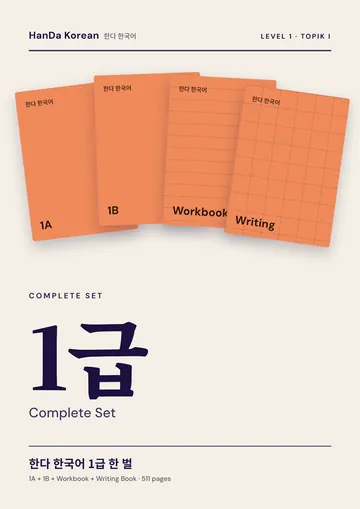 HanDa Korean Level 1 — Complete Set
Everything for level 1 — books, workbook and writing book · 511 pages
$10
HanDa Korean Level 1 — Complete Set
Everything for level 1 — books, workbook and writing book · 511 pages
$10
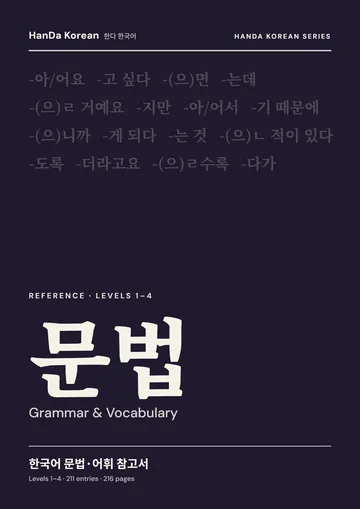 Korean Grammar & Vocabulary Reference
Every pattern in one place · 216 pages
$8
Korean Grammar & Vocabulary Reference
Every pattern in one place · 216 pages
$8
Practice this with an AI tutor
HanDa corrects every sentence you write or say — in real conversation, not flashcards.