9 Ways to Use -거든요 in Korean: Giving a Reason They Don't Know

You say you have to leave early. Your friend looks at you. And then you add the piece they didn't have: I have an exam tomorrow.
That second sentence, in Korean, very often ends in -거든요. It is the ending you use when you're handing the listener information they don't yet have — most of the time, the reason behind what you just said. That's the whole idea: -거든요 is for news to the listener.
The form is easy. Take the dictionary stem and add 거든요, with no 으 in between:
| Base | + 거든요 |
|---|---|
| 있다 | 있거든요 |
| 먹다 | 먹거든요 |
| 가다 | 가거든요 |
| 바쁘다 | 바쁘거든요 |
| 갔다 (past) | 갔거든요 |
| 학생 (noun) | 학생이거든요 |
Nouns take 이거든요 after a consonant (학생이거든요) and usually just 거든요 after a vowel (친구거든요). Drop the 요 and you have the 반말 form, -거든. Here are nine situations where it's the right choice.
1. Explaining why, right after you say the thing
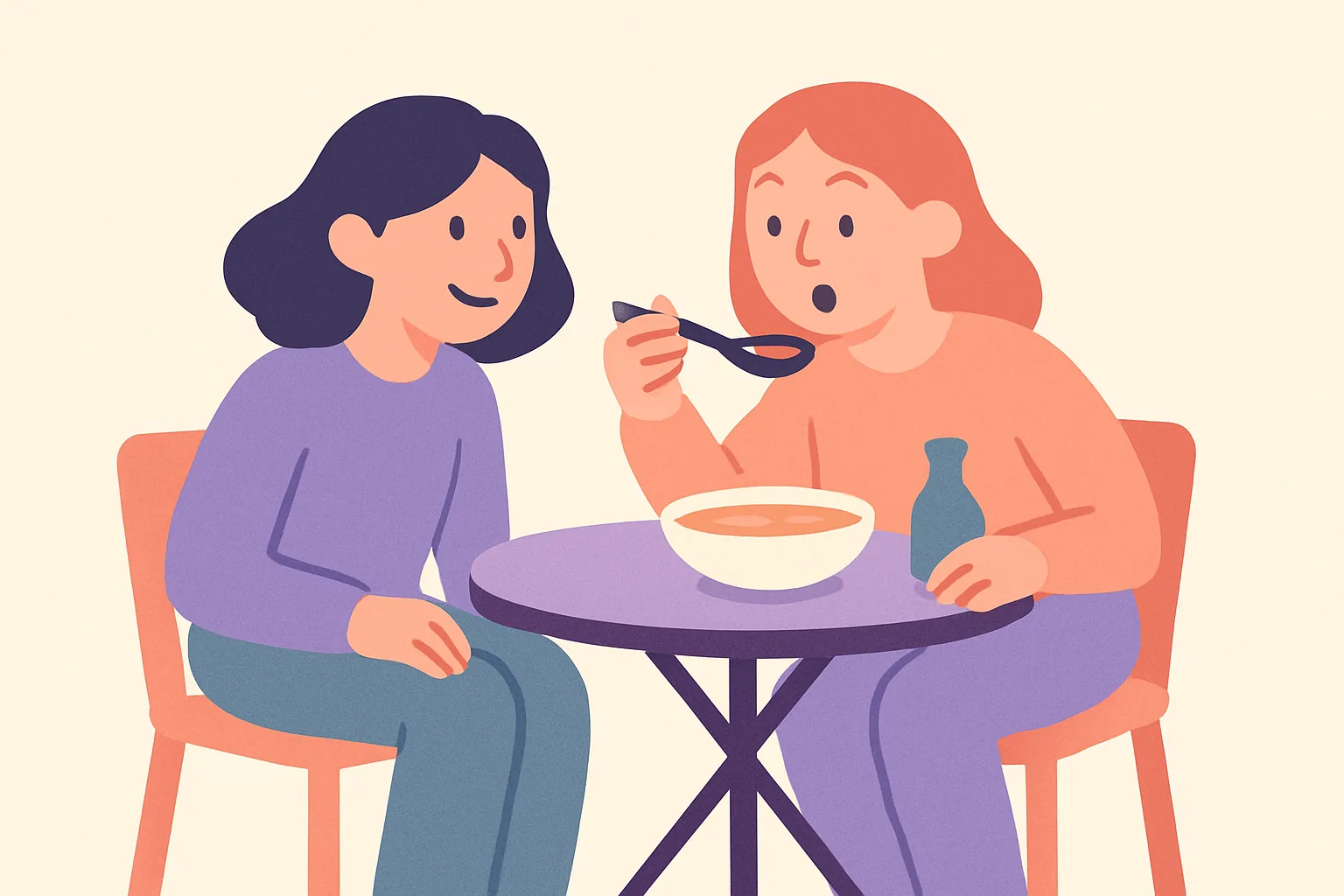
오늘은 먼저 가 볼게요. 내일 시험이 있거든요. I'll head out first today. I have an exam tomorrow.
This is the core pattern: your point first, the reason second, as its own sentence. The reason is something the listener couldn't have known, which is exactly what -거든요 signals. Say it with a slight lift at the end — it has a "you see" feeling, not a flat full stop.
2. Answering a question and adding the background
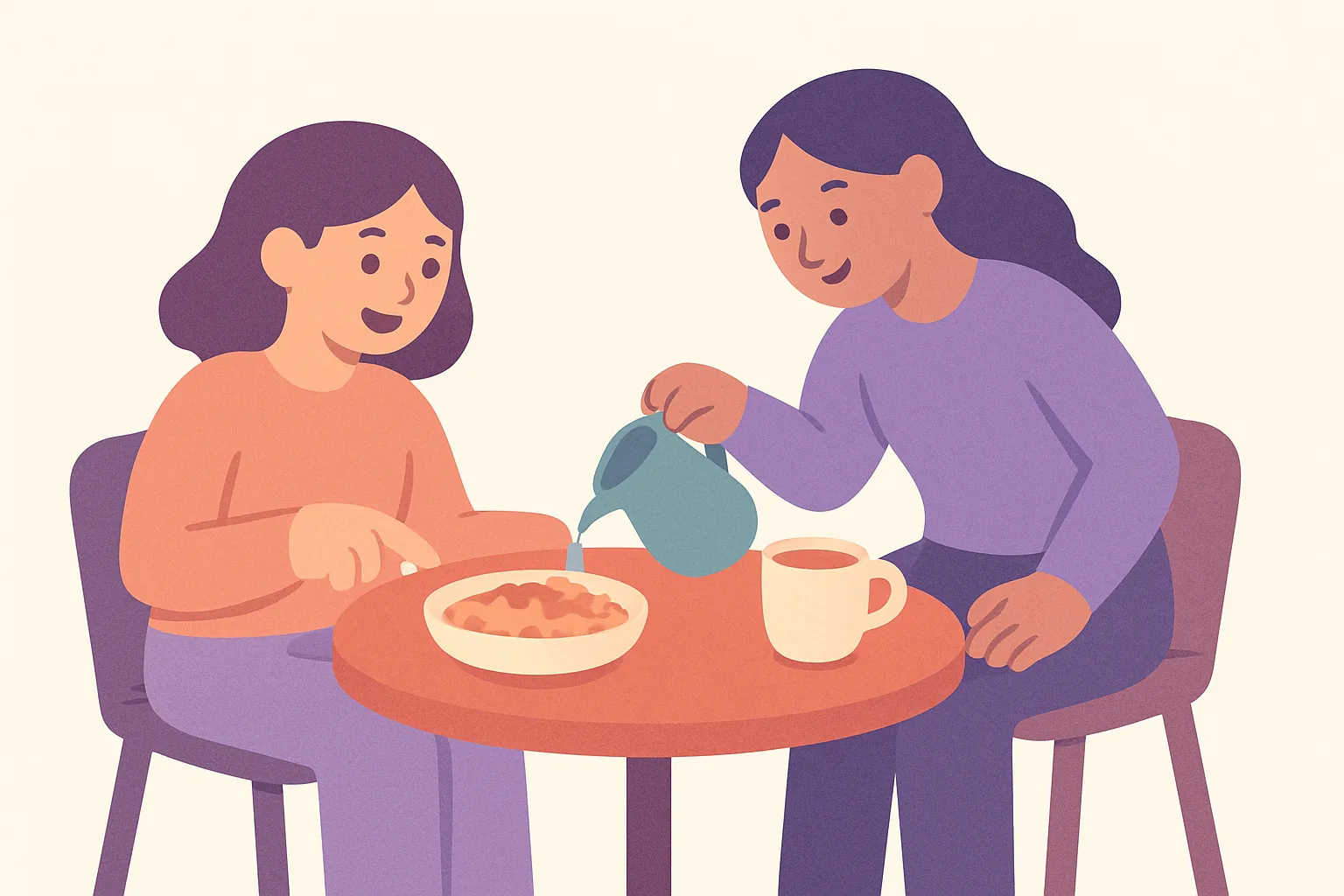
이 카페 자주 오세요? — 네, 회사가 바로 근처거든요. Do you come to this café often? — Yes, my office is right nearby.
Answer first (네), then explain with -거든요. Without it, 회사가 근처예요 is just a fact floating in the air; with 거든요, it clearly attaches to your answer as the reason. This is one of the most common uses in everyday small talk.
3. Apologizing for something that already happened
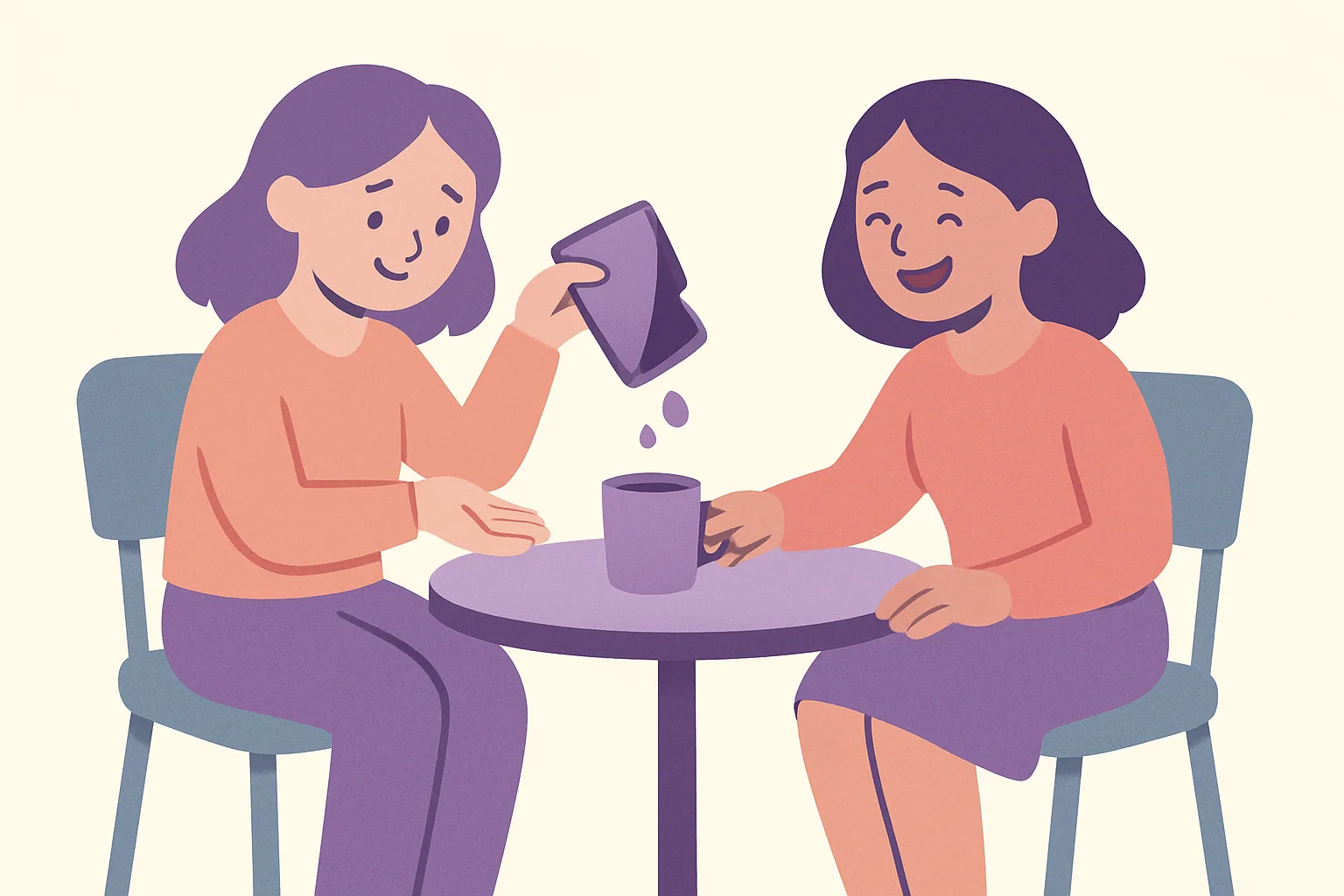
어제 전화 못 받아서 죄송해요. 회의 중이었거든요. Sorry I couldn't take your call yesterday. I was in a meeting.
Put the past tense on the stem, then add 거든요: 받았거든요, 몰랐거든요, 이었거든요. It softens an apology because you're offering a real explanation instead of a bare excuse. Korean listeners hear it as "here's what you didn't know," which lands much better than silence.
4. Opening a story
제가 어제 지하철을 탔거든요. 그런데 가방을 두고 내렸어요. So I took the subway yesterday. And then I got off and left my bag on it.
Here -거든요 isn't a reason at all — it's a hook. You're saying "let me set the scene, stay with me," and the listener will usually answer 네? or 어, 진짜요? to show they're listening. Storytellers use this constantly; if you learn only one non-reason use, learn this one.
5. Turning down an offer without sounding cold
죄송한데 제가 매운 걸 잘 못 먹거든요. 다른 거 시켜도 될까요? Sorry, I can't really eat spicy food. Could we order something else?
A flat 싫어요 is heavy. A reason the other person genuinely didn't know makes the refusal feel like information, not rejection. If you want the rest of the toolkit for this, see how to say no politely in Korean — 거든요 sits naturally at the end of almost all of those.
6. Explaining about a third person (with honorifics)
한국말을 정말 잘하시네요. — 아, 어머니가 한국 분이시거든요. You speak Korean really well. — Ah, my mother is Korean.
When the subject of your explanation deserves honorifics, the 시 goes in before 거든요: 이시거든요, 가셨거든요, 바쁘시거든요. Notice the pairing in this exchange — the first speaker uses -네요 to react to something they just noticed, and the second uses -거든요 to supply the piece that explains it. That's the natural rhythm of the two endings together.
7. Choosing -거든요 over -아서/어서
늦어서 죄송해요. 길이 너무 막혔거든요. Sorry I'm late. The traffic was really bad.
Compare 길이 막혀서 늦었어요 — same facts, different packaging. With -아서/어서, the reason is bundled inside one sentence and rushes past. With -거든요 you lead with the apology and then deliver the reason as a separate, new piece of information. In conversation, natives reach for the two-sentence version far more often than learners expect.
8. With friends: -거든 (and a tone warning)
나 지금 좀 바쁘거든. 이따 전화할게. I'm a bit busy right now. I'll call you later.
Drop the 요 for 반말 and it works the same way among close friends. But be careful: said sharply, with the stress on 거든 and nothing following it, 나 바쁘거든! means "I'm busy, okay?" — pushback, even a snap. The safe habit is to always let another sentence follow, so it stays explanatory rather than defensive. If 반말 versus 해요체 still feels slippery, the speech levels guide is worth a read first.
9. In a formal setting, swap it for -기 때문입니다
일정을 변경했습니다. 예산이 부족했기 때문입니다. We changed the schedule. It's because the budget was short.
There is no 합쇼체 version of -거든요 — you can't say 부족했거든습니다. In a presentation, an interview, or anything written formally, the reason goes in -기 때문입니다 or a 이유는 ...기 때문입니다 frame. Using -거든요 in a stiff business presentation isn't wrong grammar, but it sounds chatty, like you slipped into café mode mid-slide.
The one mistake to avoid
Don't use -거든요 for something the listener obviously already knows. If you're both standing in the rain and you say 지금 비가 오거든요, it sounds like you're informing them of something they can see — a little like saying "in case you hadn't noticed." Korean ears register -거든요 as new to you, so when the content isn't new, the tone turns faintly corrective. Save it for the facts only you have.
Practice
Finish each sentence with the correct -거든요 form, or answer the question.
- 오늘 술은 안 마실게요. 내일 아침에 병원에 ______. (가다)
- 그 사람 잘 알아요. 제 ______. (사촌 — noun)
- 어제 답장 못 해서 미안해요. 휴대폰을 ______. (잃어버리다, past)
- Rewrite in 반말 to a close friend: 저 지금 좀 바쁘거든요. 나중에 얘기해요.
- You're presenting to your company in 합쇼체. Fix this: 이 방법을 선택했습니다. 시간이 부족했거든요.
Answers
- 오늘 술은 안 마실게요. 내일 아침에 병원에 가거든요. — I won't drink today. I'm going to the hospital tomorrow morning.
- 그 사람 잘 알아요. 제 사촌이거든요. — I know him well. He's my cousin. (Consonant ending, so 이거든요.)
- 어제 답장 못 해서 미안해요. 휴대폰을 잃어버렸거든요. — Sorry I couldn't reply yesterday. I lost my phone.
- 나 지금 좀 바쁘거든. 나중에 얘기하자. — Drop 요, and 얘기해요 becomes 얘기하자 in 반말.
- 이 방법을 선택했습니다. 시간이 부족했기 때문입니다. — -거든요 doesn't exist in 합쇼체; use -기 때문입니다.
Learn this properly, not just once
Blog posts teach one thing at a time. The HanDa books teach level 1 in order — every lesson built to be spoken, with a workbook and writing book beside it.
 Korean Grammar & Vocabulary Reference
Goes with this post · 216 pages
$8
Korean Grammar & Vocabulary Reference
Goes with this post · 216 pages
$8
 HanDa Korean Level 1 — Complete Set
Everything for level 1 — books, workbook and writing book · 511 pages
$10
HanDa Korean Level 1 — Complete Set
Everything for level 1 — books, workbook and writing book · 511 pages
$10
Practice this with an AI tutor
HanDa corrects every sentence you write or say — in real conversation, not flashcards.